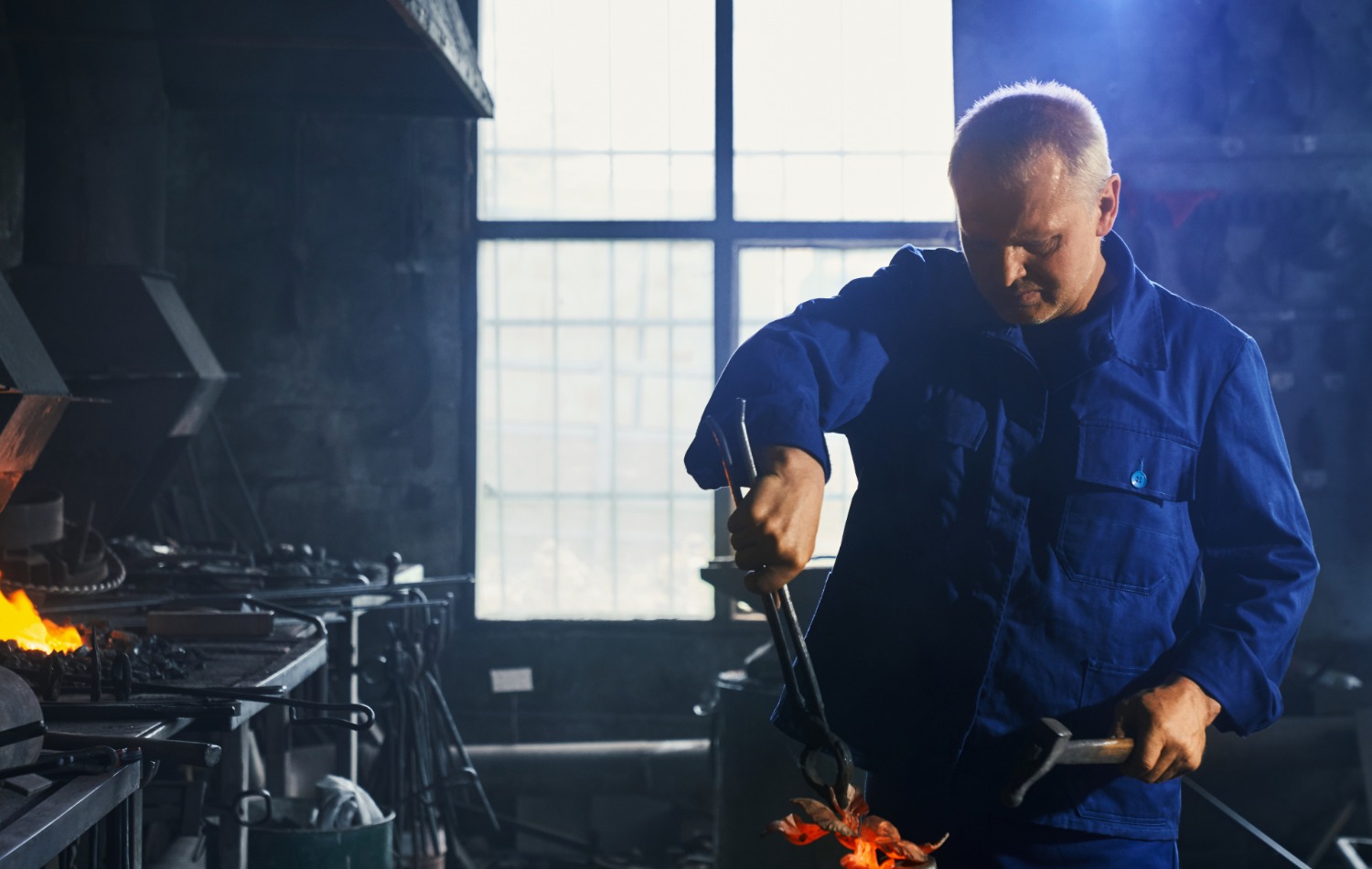
Blacksmithing Classes at Brookfield Craft Center
Working with heated metal asks for patience, attention, and a willingness to let the material teach you something new with every hammer strike.
At Brookfield Craft Center, our Good Forge gives you a hands-on way to learn blacksmithing, bladesmithing, and welding in a fully equipped shop built for makers at every stage, from someone who has never lit a forge to an experienced smith refining a technique.
Our forge program includes short sampler workshops for a first taste of the craft, along with more intensive weekend courses for students ready to go deeper. You will find classes built around functional hardware, decorative ironwork, blade work, and tool making, all taught in small groups with direct guidance from your instructor.
Forge Classes for Different Interests and Skill Levels
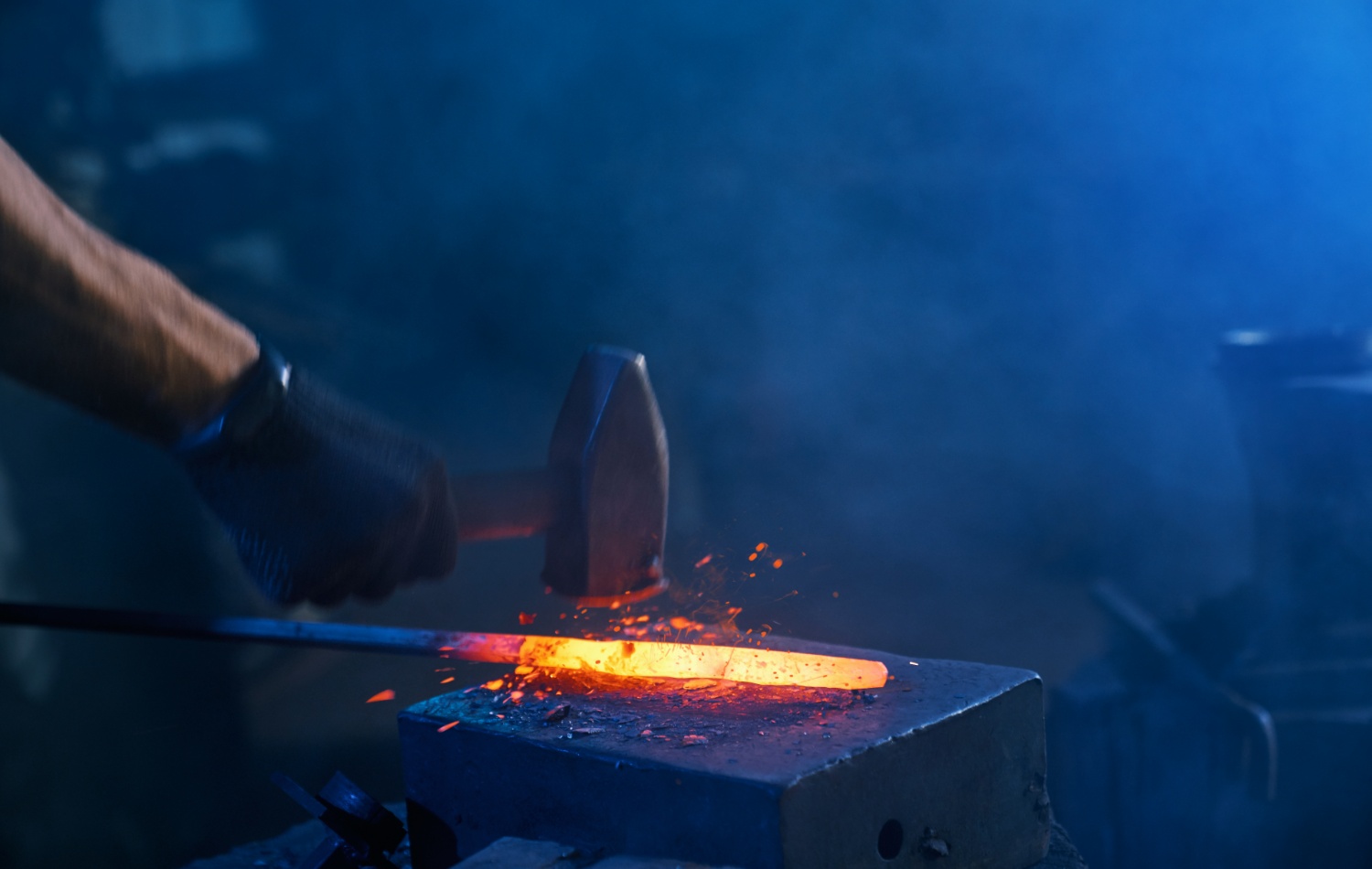
Introduction to Blacksmithing
Beginner classes start with forge safety, then move into heating metal, basic hammer control, tapering, bending, and twisting. Most end with a manageable first project you can take home. Projects and pacing vary by workshop, so check the individual listing for specifics.
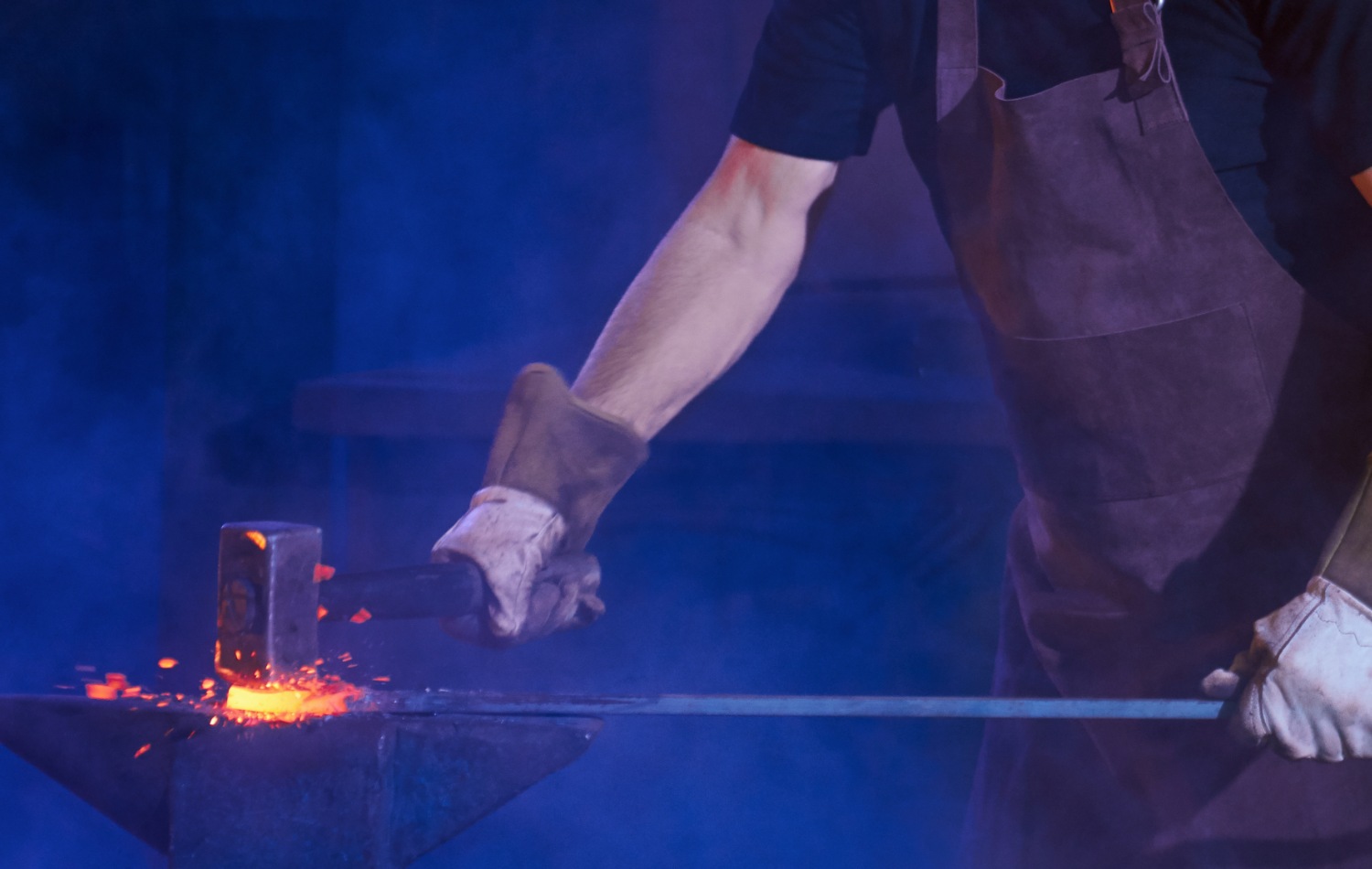
Project-Based Blacksmithing
These classes center on completing a specific object rather than practicing techniques in isolation. Project categories may include hooks and hardware, fire tools, household items, garden pieces, and decorative ironwork. The current listing identifies the project for each class.
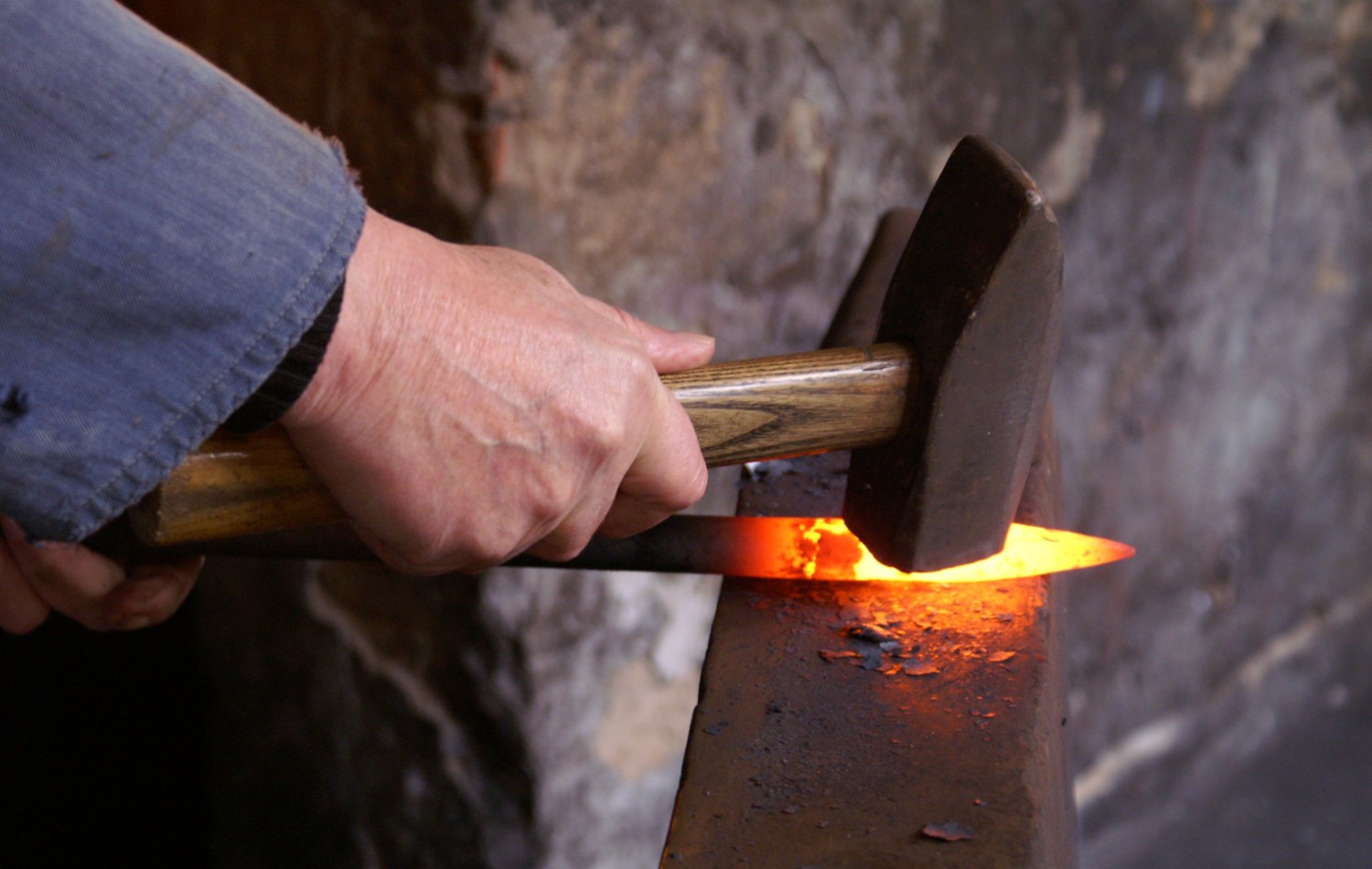
Bladesmithing Workshops
For students interested in knife making, bladesmithing workshops cover blade design, forging a profile, bevel development, grinding, heat treatment, handle preparation, and sharpening. These classes move quickly, so many require prior forging experience. Confirm prerequisites before registering. Our approach reflects the same attention to safety and technique championed by the American Bladesmith Society.
Welding and Forge Welding
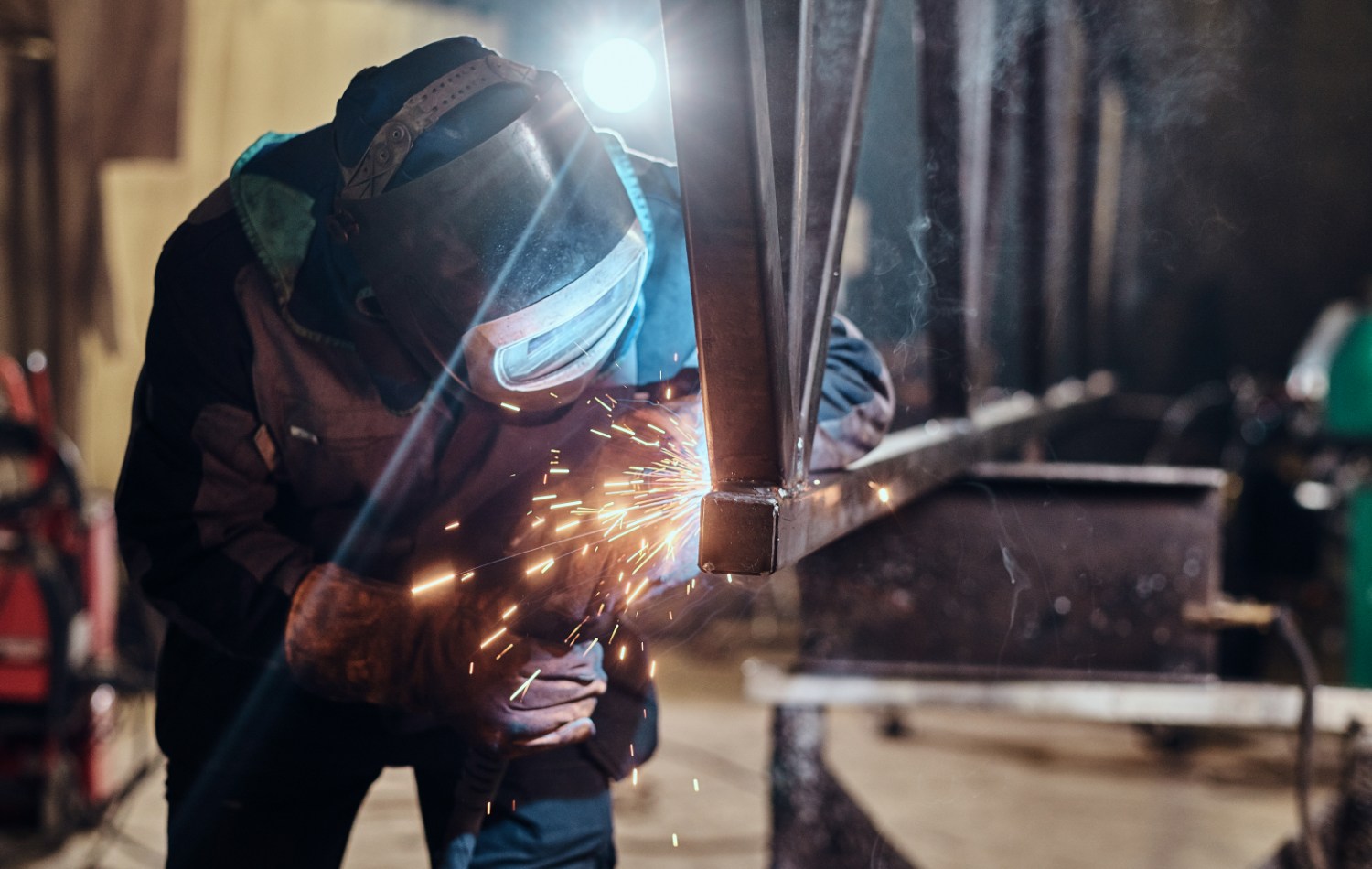
Welding classes may cover modern fabrication techniques as well as traditional forge welding, where two heated pieces of metal are joined at the anvil. Our Good Forge is equipped with MIG welders, stick welders, and oxy-acetylene equipment, so exposure to different joining methods depends on the course.
Intermediate and Advanced Forge Techniques
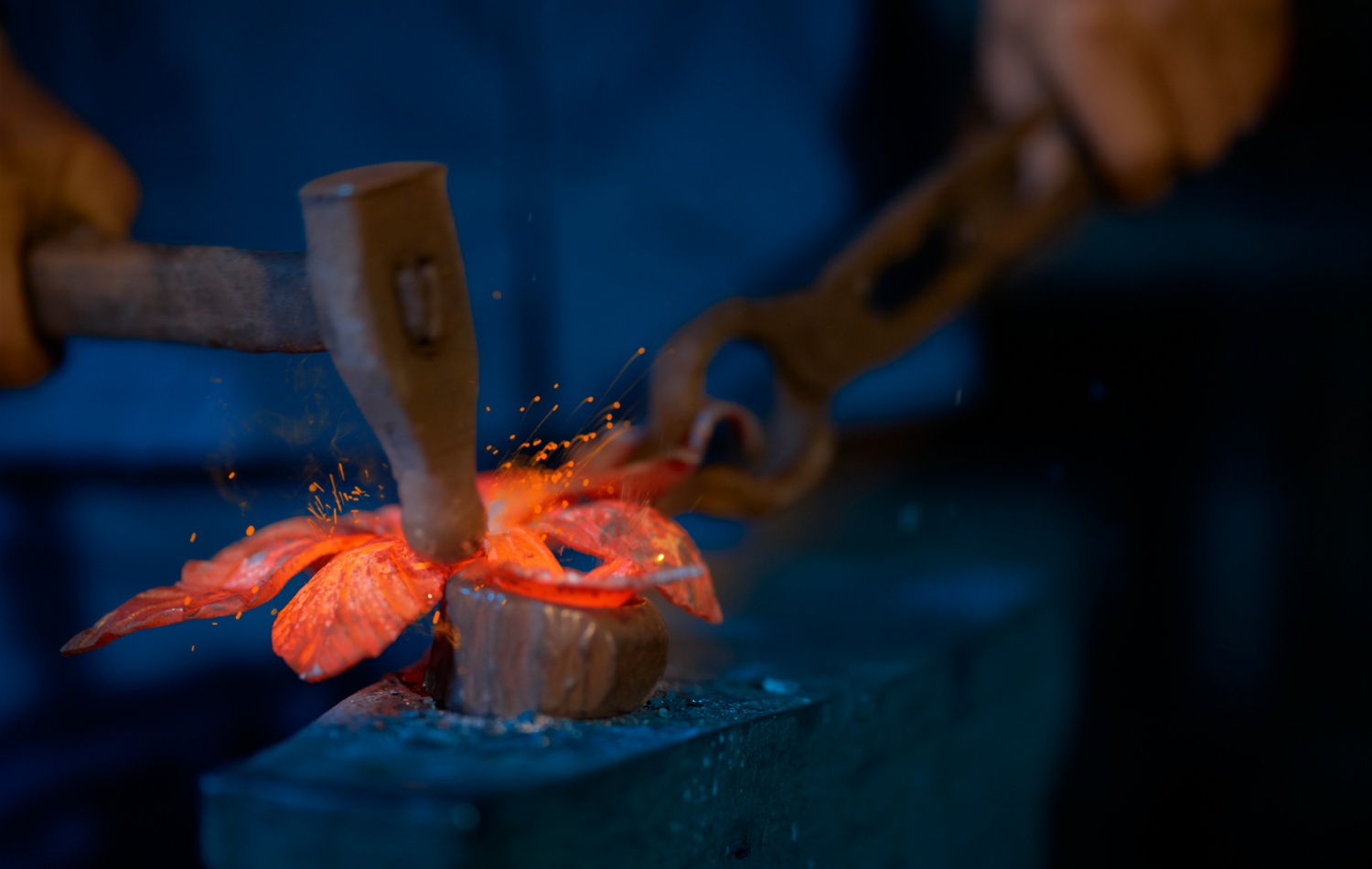
Returning students can look for classes covering hammer accuracy, complex joinery, toolmaking, and production techniques, sometimes with access to power hammer or press-assisted work. Access to specialized equipment depends on the course and your experience level, so review prerequisites before registering.
Youth and Teen Forge Programs
We schedule age-appropriate blacksmithing and metal arts programs for younger students when availability allows, with safety requirements adjusted accordingly. Ages, projects, and formats appear in the current registration details, since youth programming rotates by season.
Choose the Right Forge Class Format

Sampler Workshops
A sampler workshop gives you a short introduction to the forge and a focused project, typically in about three to four hours. It's good for trying blacksmithing before committing to a longer course or when your schedule only allows one session.

Weekend Workshops
Many introductory through advanced forge courses run across a full weekend, giving you more time to build skill and work through a multi-stage project. Available at beginner, intermediate, and advanced levels, with more depth than a sampler session.

Advanced and Specialty Workshops
Some workshops focus on a specific technique, tool, or finished object rather than a general overview. These often require prior blacksmithing experience, so check the prerequisites before registering.

Open Studio Sessions
Open Studio gives experienced students and members time to work independently in the forge rather than following a structured class, a chance to keep practicing outside formal instruction.
Work in Brookfield Craft Center's Good Forge
Our Good Forge houses multiple coal and gas forges, anvils and leg vices in a range of sizes, and a full hand-tool collection of hammers, tongs, punches, drifts, and chisels.
Welding equipment supports both forge welding and modern joining techniques, and belt grinders, a hydraulic press, and a self-contained power hammer round out the finishing tools.
Students of varying ages and backgrounds come through the Good Forge to take part in what has become a genuinely spirited smithy community.
Before You Register
Requirements differ by workshop, so check the individual course listing for:
- Course level and prerequisites
- Eligible ages
- Dates and daily schedule
- Number and length of sessions
- Project description
- Materials included in tuition
- Additional material or steel fees
- Tools or protective equipment to bring
- Clothing requirements
- Physical demands of the class
- Cancellation policies
- Current space availability
The current course listing provides the most accurate information about projects, instructors, schedules, materials, and eligibility for any given class.
Why Learn Blacksmithing at Brookfield Craft Center?
Learning to forge here means working directly with practicing craftspeople in small groups, where you get real feedback rather than a one-size-fits-all lesson.
Our program spans several experience levels, so you can start wherever you are and keep building from there. Traditional blacksmithing techniques are taught in a contemporary learning environment, and Open Studio gives you a way to keep practicing once your class ends.
You will also become part of a wider community of makers and craftspeople who share an interest in fine craftsmanship. Brookfield Craft Center is a nonprofit craft school dedicated to teaching traditional and contemporary craft skills and preserving an appreciation for the work that goes into them.
Blacksmithing on Brookfield Craft Center's Historic Campus
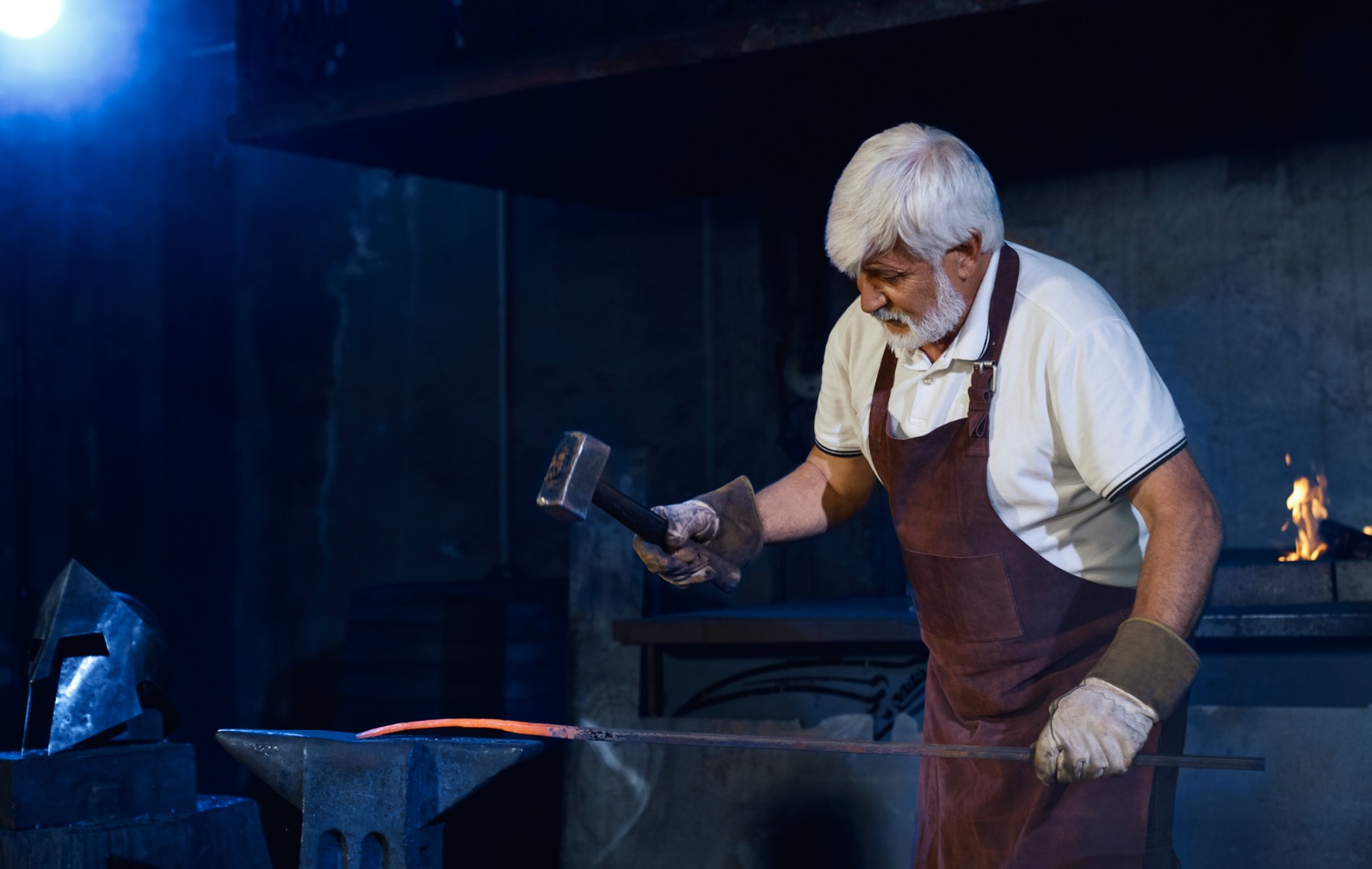
The Good Forge sits on Brookfield Craft Center's historic campus in Brookfield, Connecticut, alongside studios dedicated to clay, glass, fiber, jewelry, and wood. That setting means your forge class is part of a larger community built around hands-on craft education, not an isolated activity.
Students and instructors across disciplines share the same campus, so it is common to learn alongside people exploring an entirely different craft than your own.
The result is a place where traditional techniques and contemporary making sit side by side and where a single visit to learn blacksmithing can easily turn into curiosity about what else is happening down the hall.
Frequently Asked Questions About Forge Classes
Do I need previous blacksmithing experience?
Some courses are designed for complete beginners, while intermediate, advanced, bladesmithing, or specialty classes may require prior experience. Students should review the prerequisites for the individual class.
What can I make in a blacksmithing class?
Projects vary by course but may include tools, hardware, blades, household objects, and decorative steelwork. The specific project appears in the current class description.
Are blacksmithing classes suitable for teenagers?
Age eligibility varies by class. Youth and teen forge programs may be scheduled separately, and adult classes should not be assumed open to minors unless the listing states otherwise.
Can I work independently in the Good Forge?
Yes, through Open Studio, held Friday evenings. You can use the time to continue a class project, practice a technique on your own, or simply spend more time at the anvil outside a structured course. Advance registration is required, and space is limited.
Is Open Studio available to beginners?
No. Open Studio requires completing an introductory blacksmithing or bladesmithing class or current membership with basic forge skills already in place. New students should start with an instructional workshop before working independently.
Explore Current Blacksmithing and Forge Classes
Our forge schedule features introductory to advanced classes, including bladesmithing, welding, project forging, samplers, and weekend intensives. Youth programs are added when scheduled.
Classes vary by instructor availability and experience level.
Check specific course listings for dates, prerequisites, materials, and availability before registering.