Ceramic Classes Near Newtown, CT
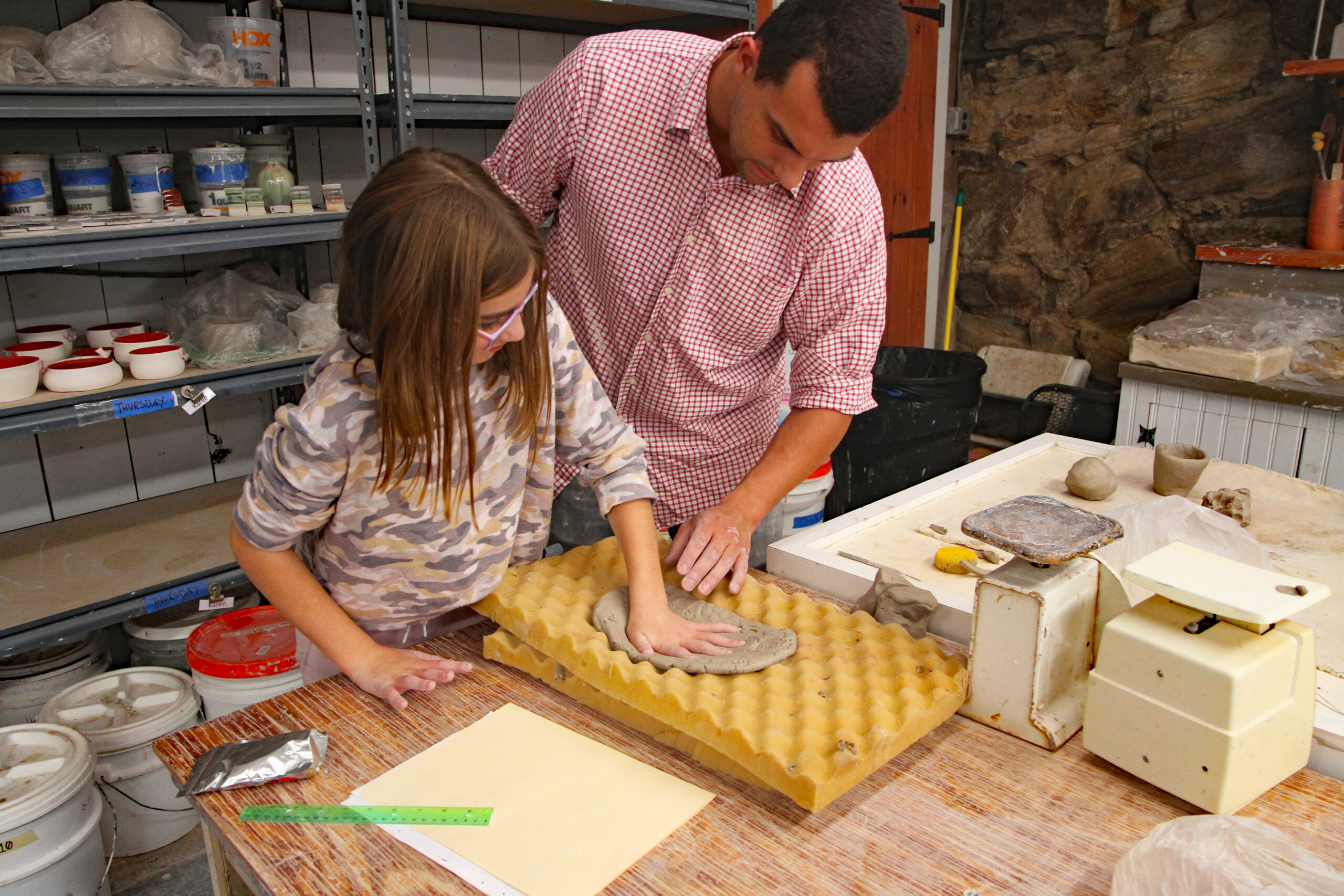
Learning to work with clay means understanding how the material changes from initial construction through firing. Brookfield Craft Center gives Newtown residents a nearby place to build those skills through guided, hands-on instruction.
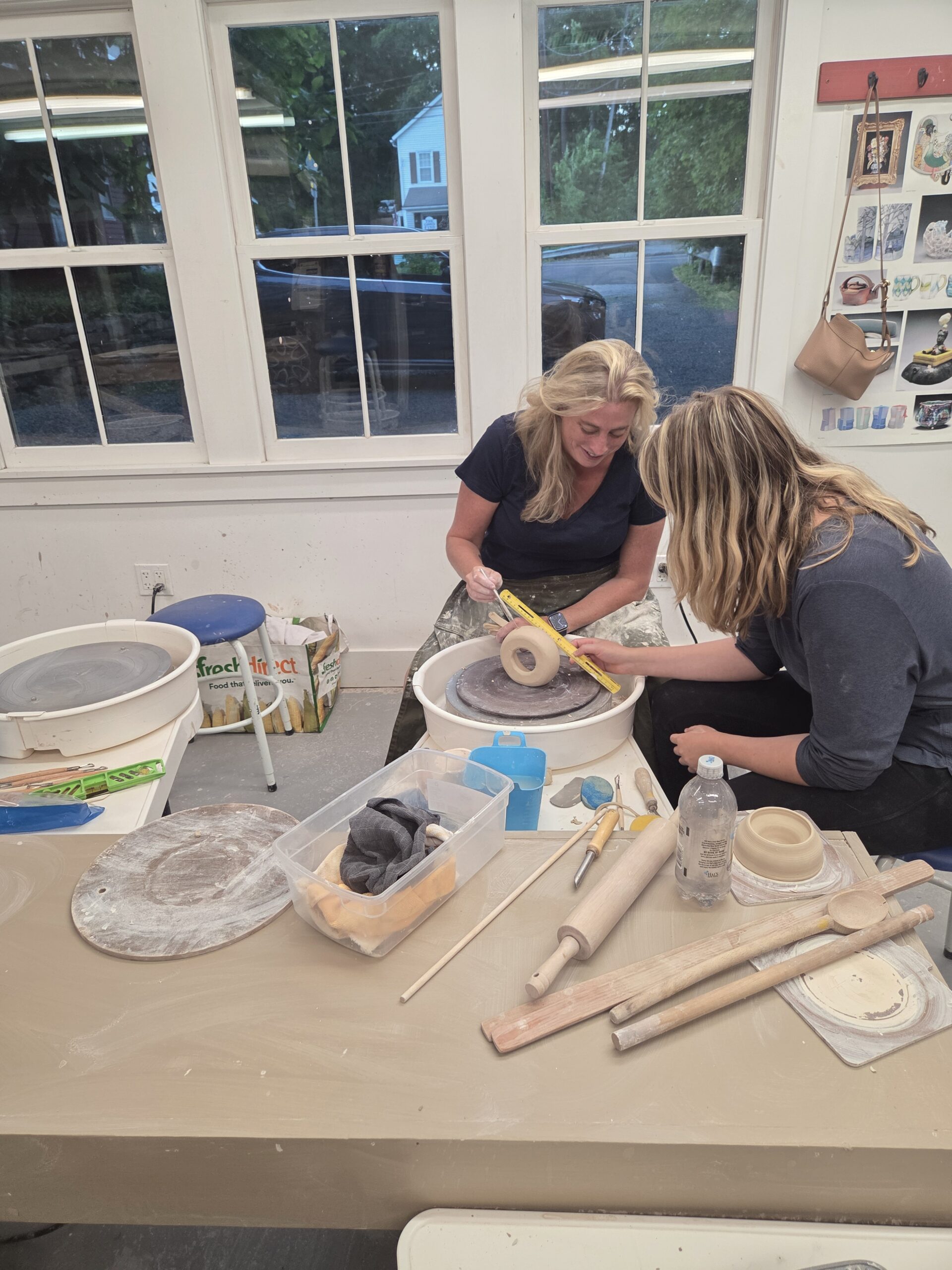
Our dedicated ceramic studio provides access to workspace, equipment, and instructor support. We offer ceramic courses suited to different levels of experience.
Learn Ceramics at Brookfield Craft Center
Clay work combines creative decisions with technical steps involving moisture, structure, drying, glaze, and heat. Students develop these skills through direct practice rather than observation alone.
For people comparing ceramic places near Newtown, Brookfield Craft Center offers a setting built specifically for learning and making with clay.
Handbuilding With Clay
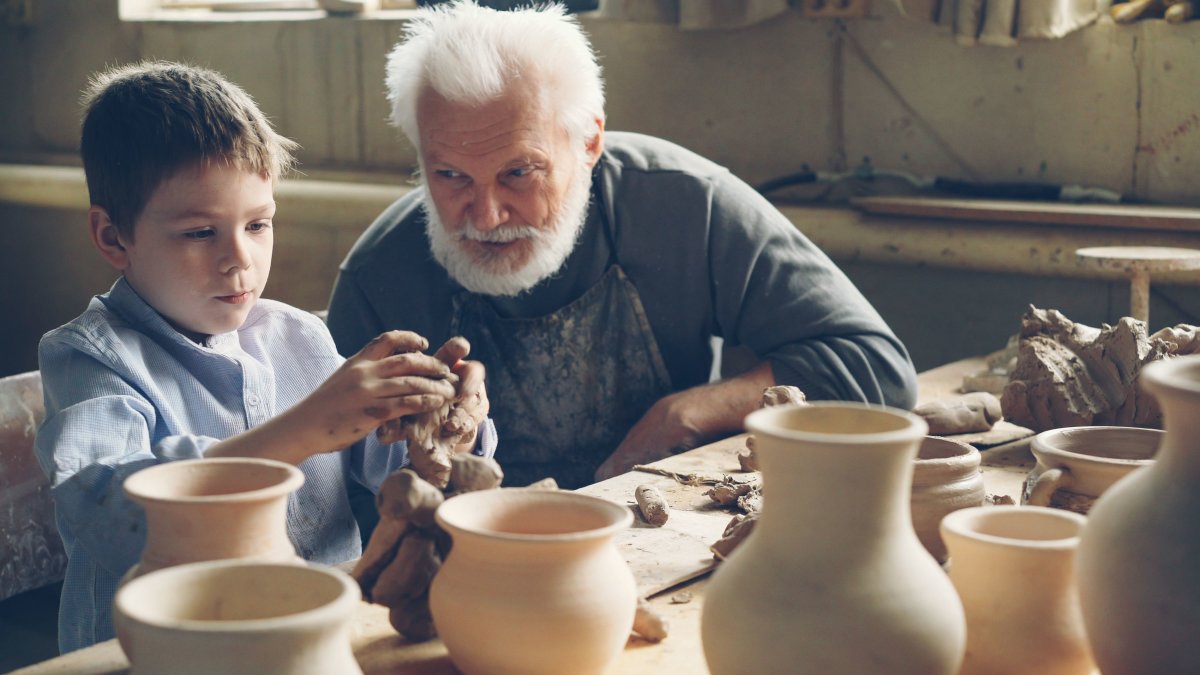
Handbuilding uses pinch, coil, and slab techniques to create functional or sculptural ceramic forms without a pottery wheel. These methods are approachable for beginners while still allowing experienced students to build more complex pieces.
Glazing & Ceramic Surface Decoration
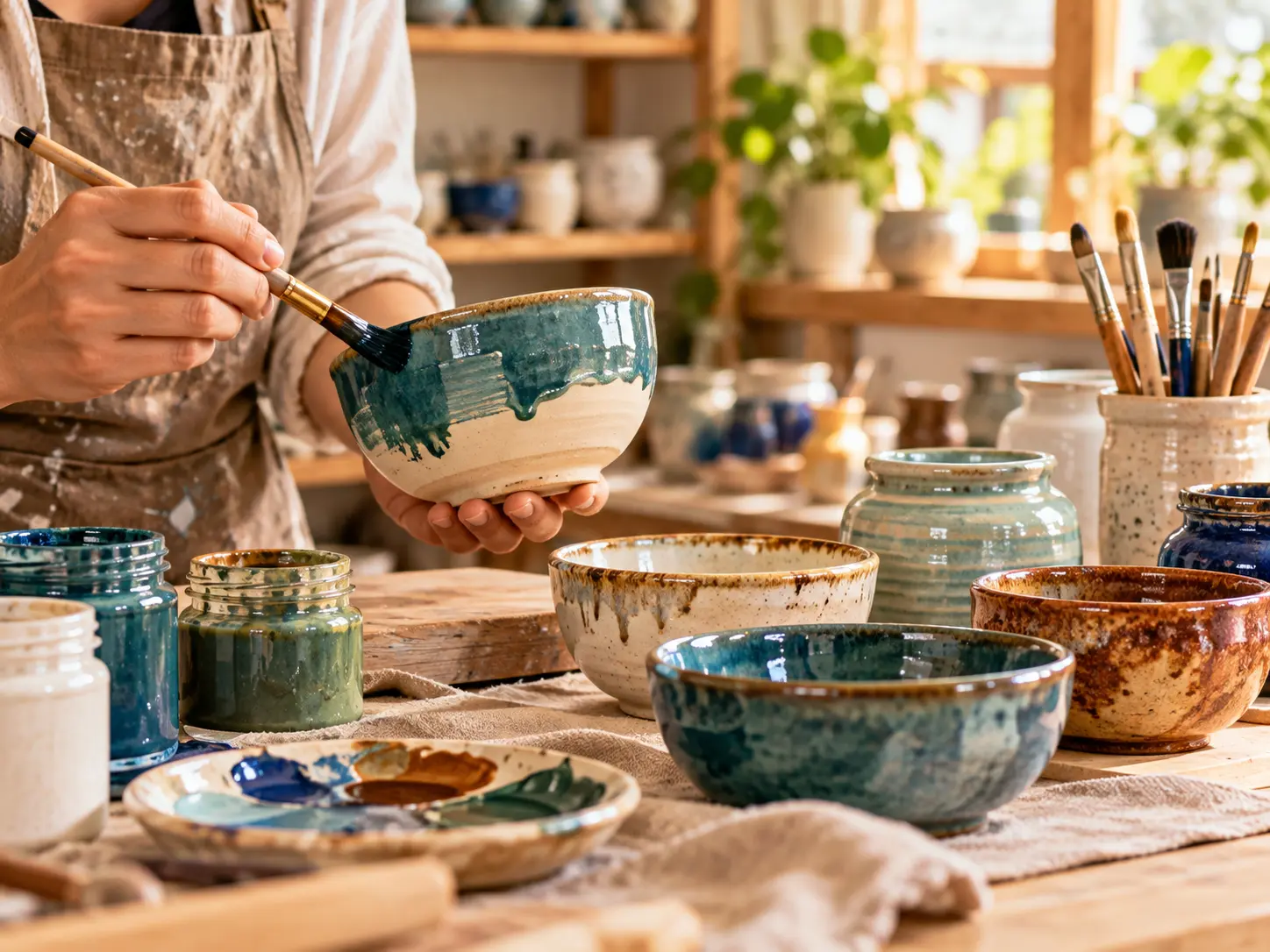
Students may explore glaze, color, carving, texture, and other surface treatments that influence the finished piece. For those searching for ceramic painting near Newtown, Brookfield Craft Center teaches surface decoration as part of the broader clay-making process rather than as a walk-in paint-your-own ceramic studio.
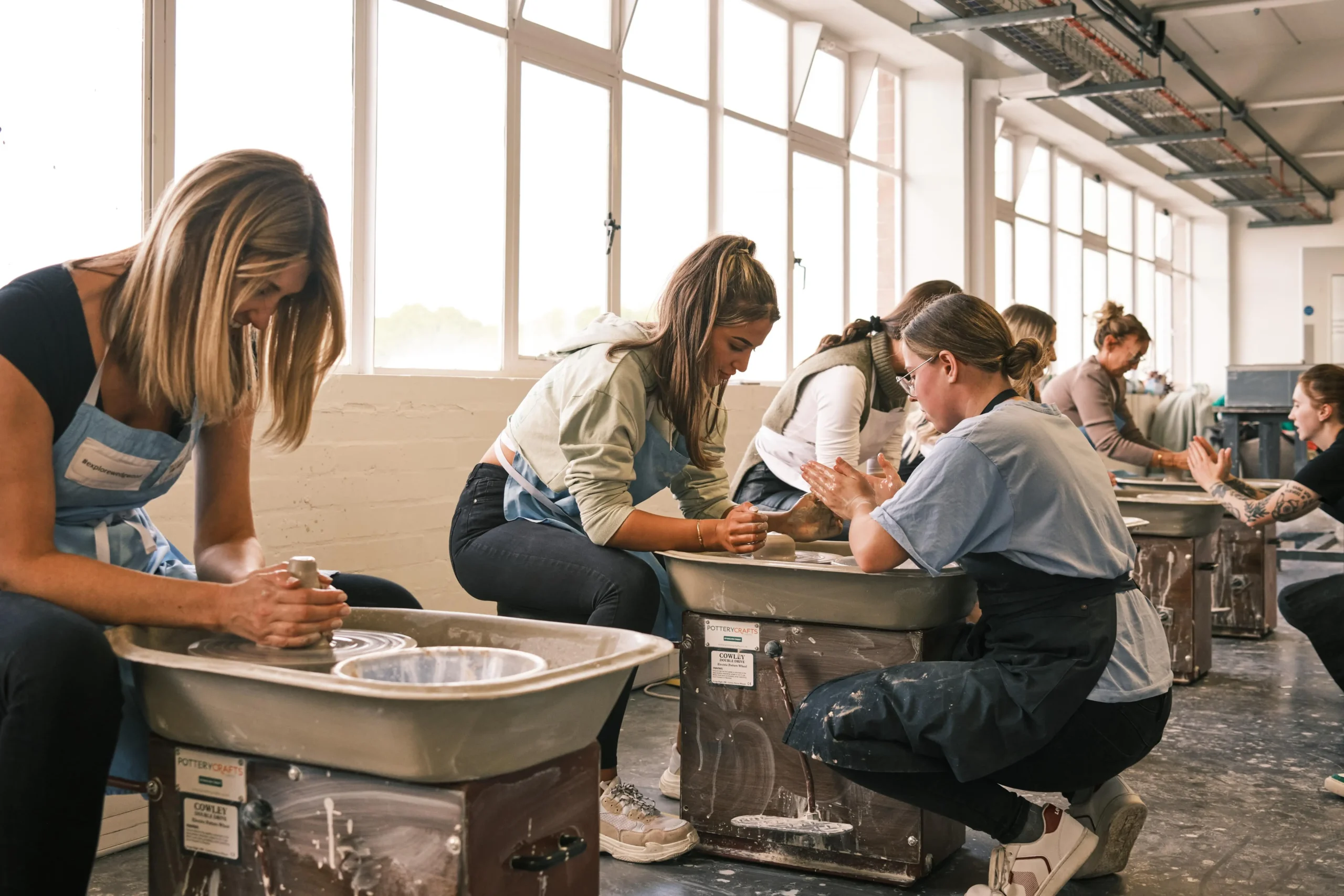
Specialty workshops may explore techniques such as Raku, Nerikomi, and slipcasting. These focused classes allow students to experiment with different firing methods, patterned clay, molds, and other ceramic processes. Availability varies by schedule.
Ceramic Classes for Different Experience Levels
The right ceramic course depends on how much time you have already spent working with clay. Brookfield Craft Center offers opportunities for beginners, returning students, and more experienced ceramicists.
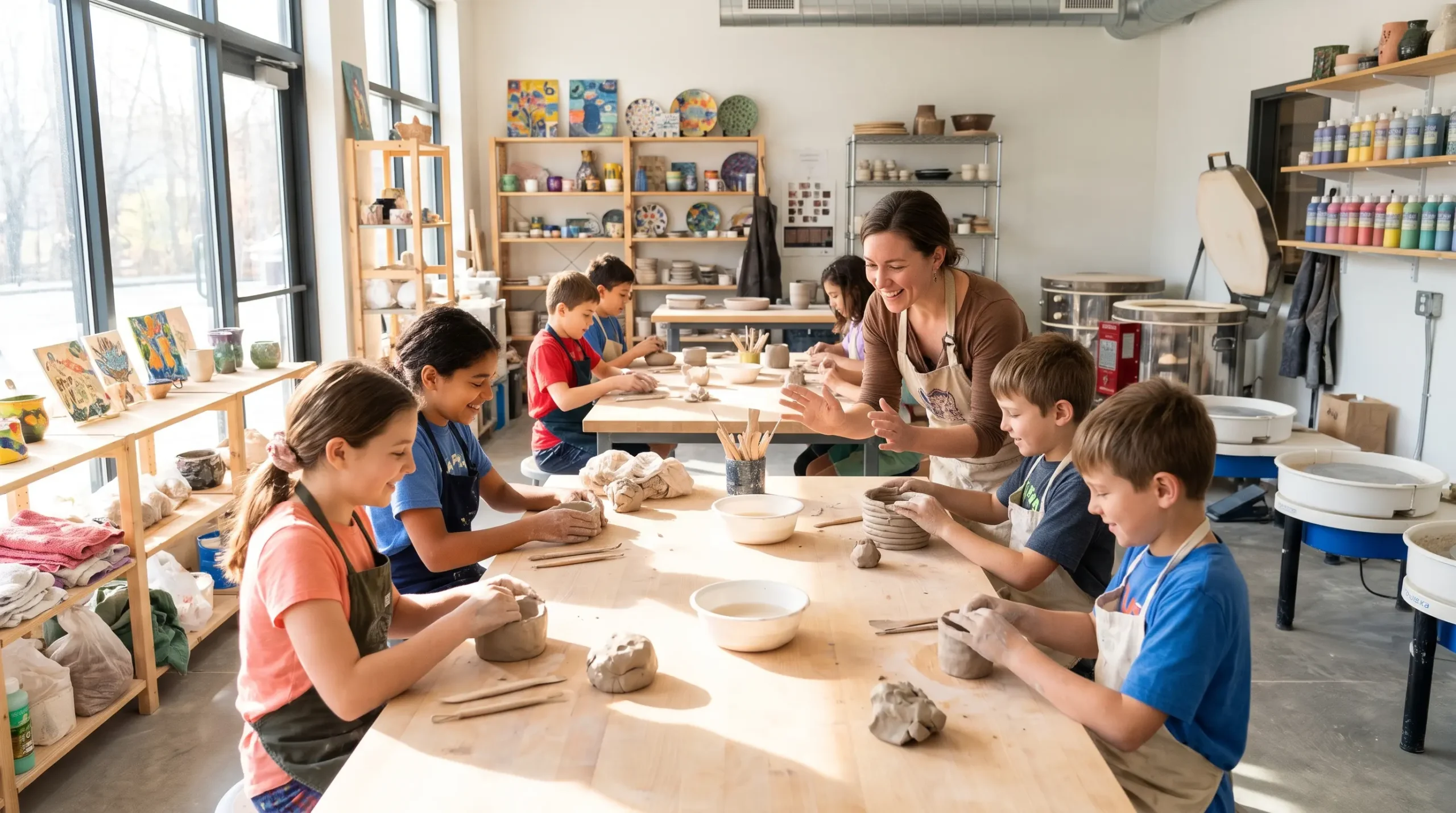
A beginner does not need to arrive knowing how to build a slab form, prepare clay for firing, or apply glaze. Introductory instruction can cover:
- Basic studio procedures
- Clay preparation and handling
- Foundational handbuilding techniques
- Safe use of tools and equipment
- Basic glazing
- Preparing work for firing
Students learn primarily by doing. An instructor demonstrates a technique, students try it themselves, and adjustments are made as the material responds. That hands-on feedback is particularly useful with ceramics because small decisions involving thickness, moisture, joining, or drying can affect the finished piece later.
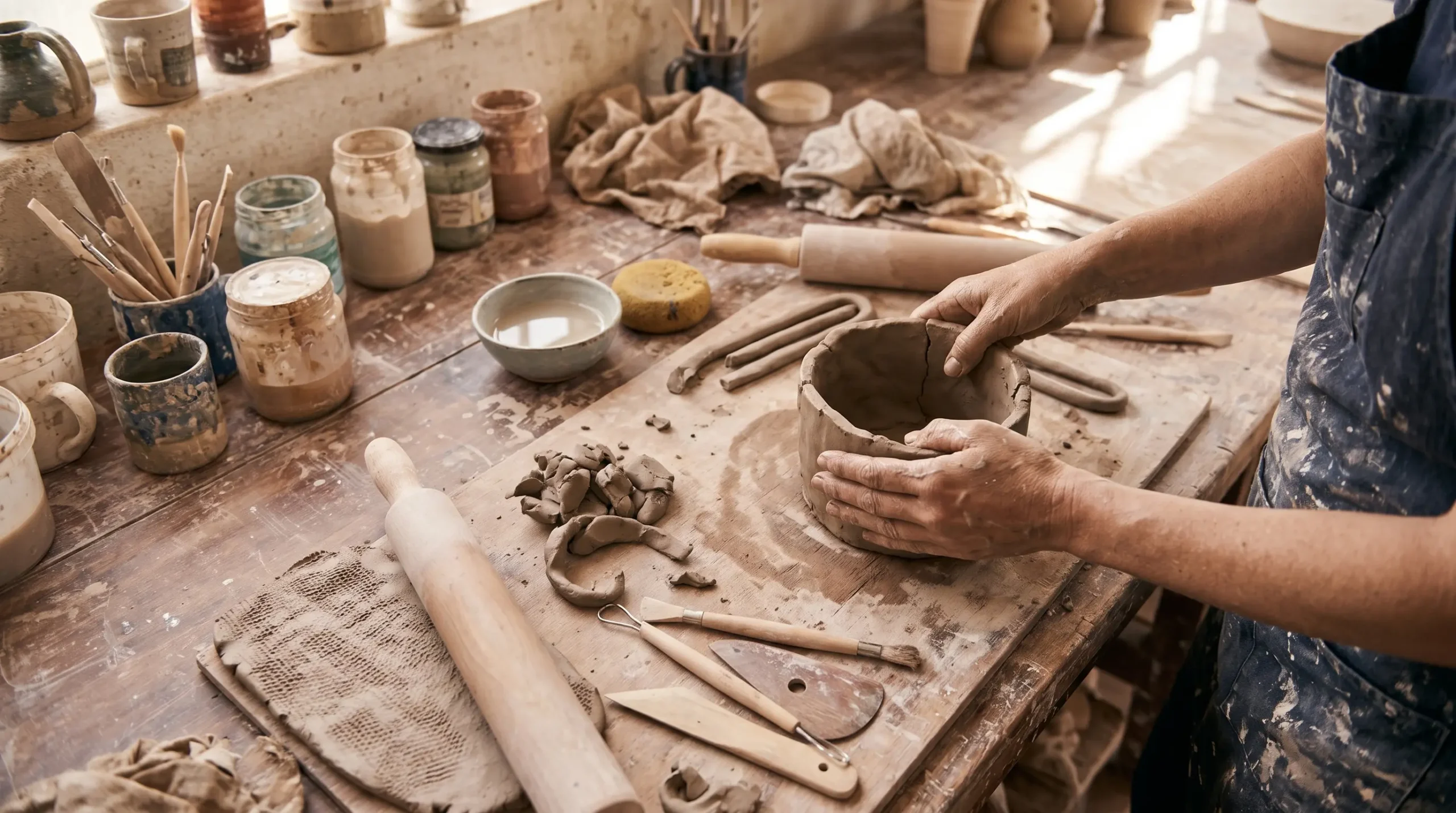
Returning students can focus on improving technique, consistency, surface design, construction, and specialized ceramic processes. Intermediate and advanced offerings vary, so students should review current prerequisites and course descriptions before registering.
How the Ceramic-Making Process Works
A finished piece usually passes through several stages before it is complete. This multi-step progression is one of the defining features of ceramics.

1. Form the Clay
The first stage is construction. For handbuilt ceramics, students may use slabs, coils, pinching, or a combination of techniques to create the intended form. At this point, clay is still soft enough to manipulate.

2. Let the Piece Dry
Clay contains moisture that needs to leave the piece before firing. Drying must happen thoroughly and with enough control to reduce the risk of cracking, warping, or other problems. This waiting period is part of ceramic making, not downtime that can simply be skipped.

3. Bisque Fire the Piece
Once fully dry, the work can undergo an initial kiln firing. Bisque firing hardens the clay and makes it easier to handle during later decorating or glazing stages.

4. Add Glaze or Surface Decoration
Depending on the project, the bisque-fired piece may then receive glaze or another surface treatment. Students can explore choices involving color, texture, carved details, patterns, or glaze combinations according to the course.

5. Complete the Final Firing
Glazed work is returned to the kiln for its final firing. Heat transforms both the clay and glaze, producing the finished ceramic surface. Because this is a multi-step process, students should not assume that a finished ceramic piece will be ready to take home at the end of the same class in which it was formed.
Inside the Brookfield Craft Center Clay Studio
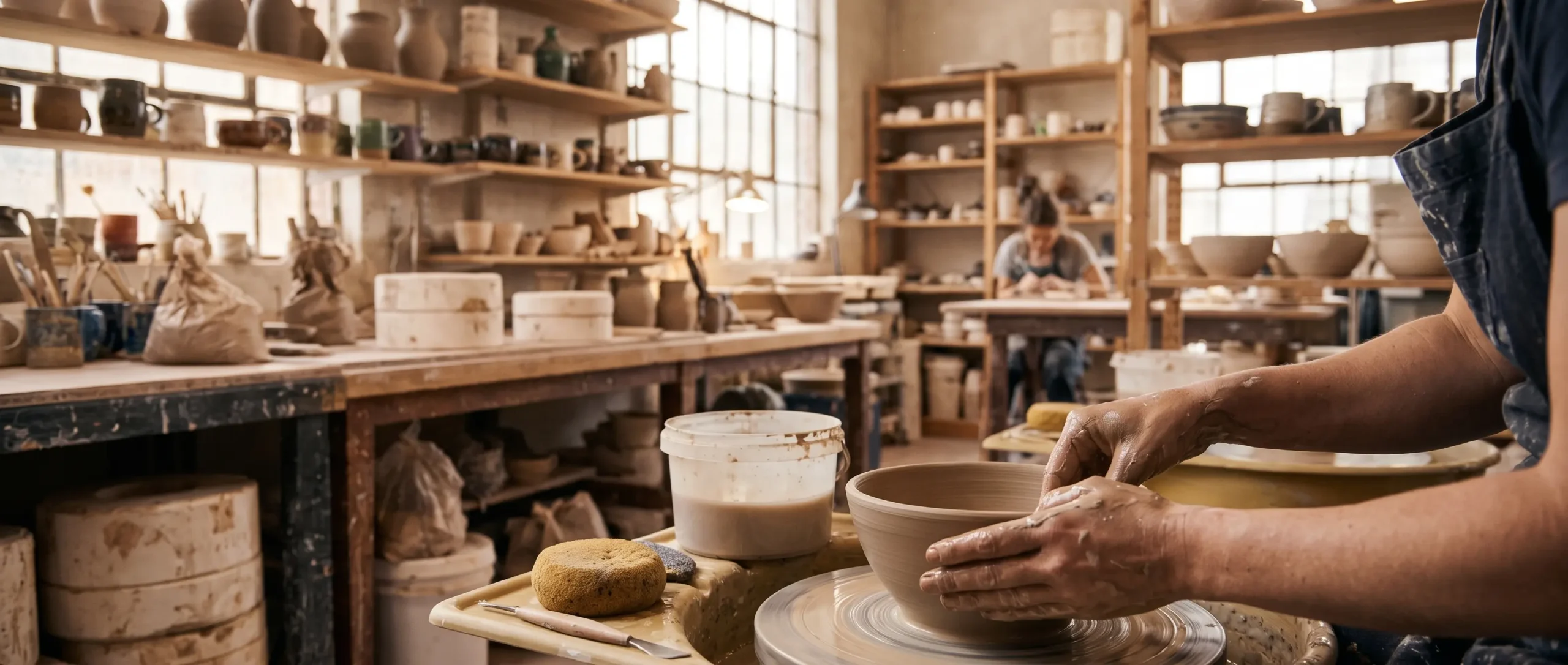
Brookfield Craft Center provides dedicated space for forming, glazing, firing, and other clay processes. Classes may include low-fire earthenware or high-fire stoneware, depending on the program.
Students researching ceramic places may find that access to kilns, work surfaces, tools, and instructor guidance makes a dedicated facility more practical than working entirely at home.
Programs for Kids & Teens
Youth clay programs may introduce wheel work, handbuilding, decoration, and other age-appropriate techniques. Seasonal and summer offerings can also provide additional opportunities for younger makers.
Families in Newtown should check current listings for ages, dates, and program formats.
Continue Practicing With Clay Open Studio
Eligible students and members can use monitored Clay Open Studio sessions for independent practice. Participants may continue class projects, refine familiar techniques, or work on personal pieces. Open Studio is intended for people who can work independently and is not a substitute for beginner instruction.
Taking Clay Instruction Near Newtown
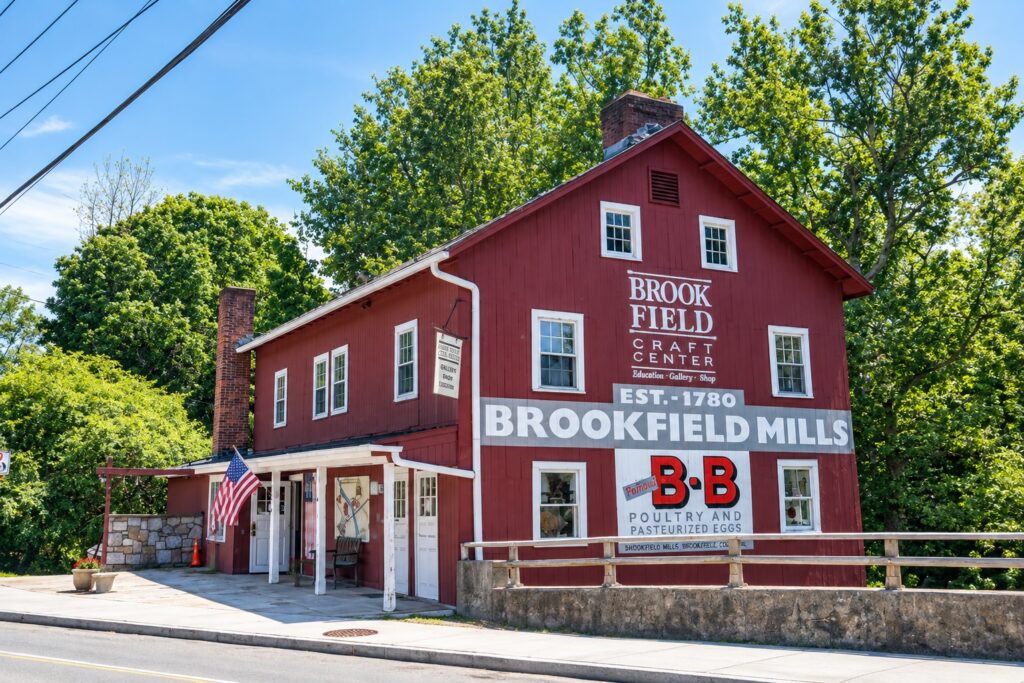
Newtown borders Brookfield, and Brookfield Craft Center is located at 286 Whisconier Road along Route 25. This provides a nearby option for residents traveling from different parts of Newtown. Among nearby ceramic places, we offer access to a dedicated learning environment rather than a temporary classroom setup. Travel times vary by neighborhood, so students should check current directions before visiting.
Frequently Asked Questions
Are single-session ceramic workshops available?
Class formats can vary throughout the schedule. Prospective students should review current listings to see whether one-day workshops, short courses, or multi-session programs are available.
Is there a waitlist if a ceramic class is full?
Waitlist availability may depend on the individual class. Students interested in a full session can check the registration details or contact Brookfield Craft Center about possible openings.
What happens if weather affects a scheduled class?
Weather-related cancellations or schedule changes may be handled differently depending on the program. Students should check current announcements or contact the Center when severe weather could affect travel or class times.
Can the Clay Studio accommodate accessibility needs?
Students with mobility or other accessibility needs should contact Brookfield Craft Center before registering to discuss the current studio setup and any available accommodations.
Are there opportunities to display finished ceramic work?
Exhibition or display opportunities may vary throughout the year. Students interested in sharing completed work can ask Brookfield Craft Center about current exhibitions, showcases, or other community opportunities.
Explore Ceramic Classes Near Newtown
Brookfield Craft Center offers ceramic classes for students who want structured, hands-on experience with clay. The nearby Brookfield location makes continued practice practical for Newtown residents.
People interested in ceramic painting can review current listings for programs that include color and surface decoration. Continued study can also deepen a student's understanding of ceramics through repeated practice and exposure to different techniques.