Ceramic Classes Near Bethel, CT
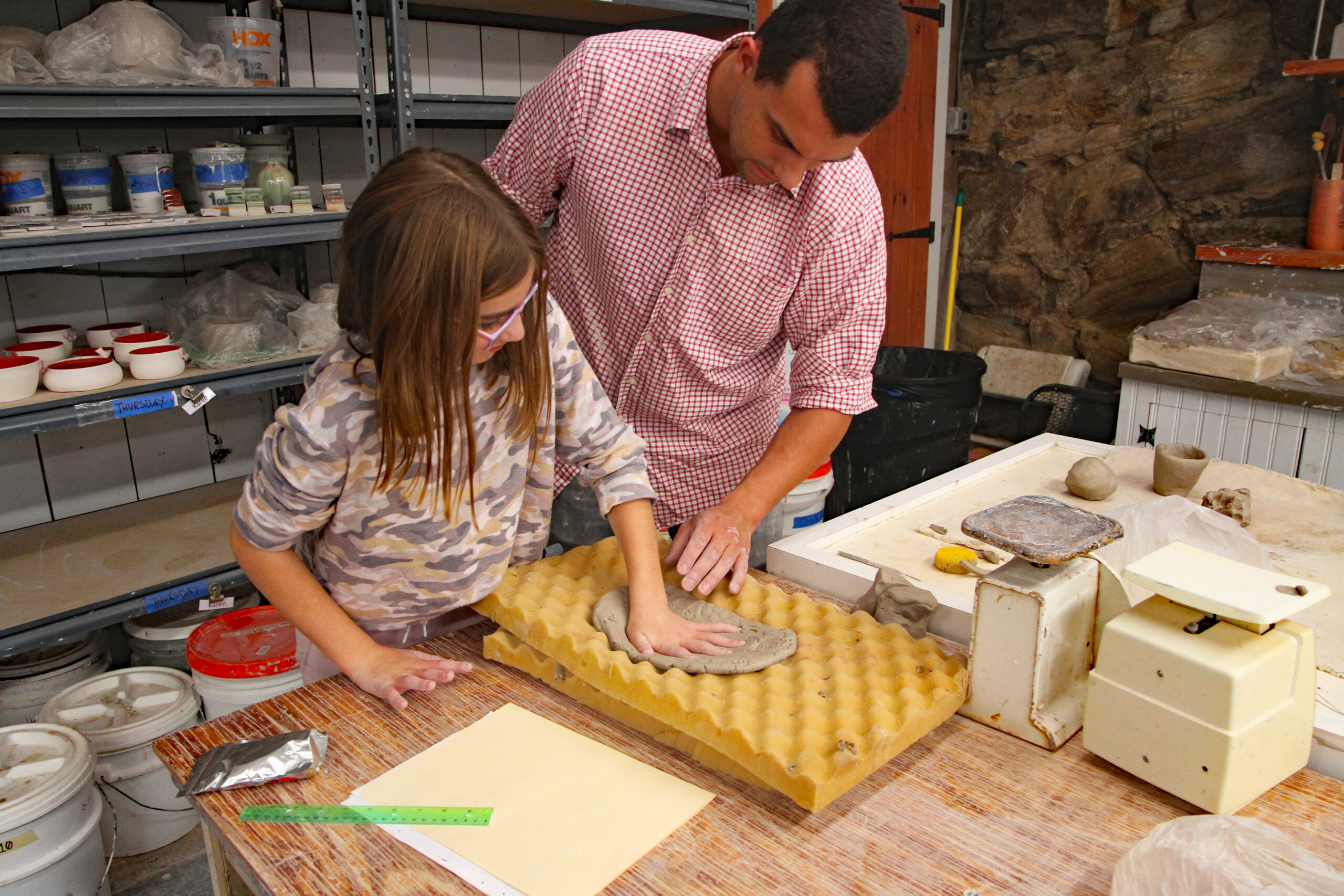
Ceramics offer more than a finished object. They help students understand how clay changes as it is formed, dried, decorated, and fired. Brookfield Craft Center offers hands-on ceramic classes at its Clay Studio in neighboring Brookfield, Connecticut. Students can explore handbuilding, glazing, surface decoration, firing methods, and specialty techniques through programs designed for a range of experience levels.
For Bethel residents looking for a dedicated ceramic studio, Brookfield Craft Center provides access to equipment, materials, and instruction without requiring a kiln or home setup. We give students room to learn the full process while working with experienced instructors.
Learn Ceramics at Brookfield Craft Center
Working with clay involves a series of decisions. Students learn how thickness, joining methods, drying time, glaze choice, and firing temperature can affect the final piece. Brookfield Craft Center's ceramic courses focus on these decisions through direct studio practice. Rather than only seeing a finished object, students learn how each stage contributes to the result.
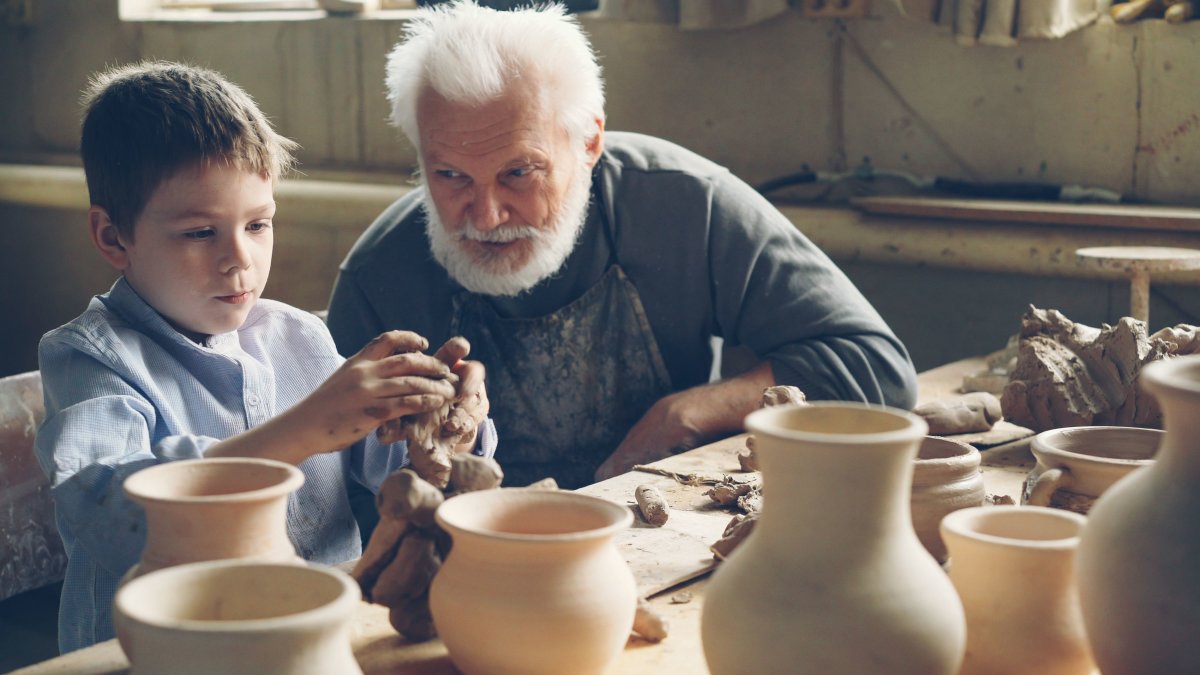
Handbuilding uses slab, coil, and pinch techniques to create forms without a pottery wheel. These methods help beginners understand how clay responds while still offering creative possibilities for experienced makers. People comparing ceramic places near Bethel may find this kind of guided, process-based instruction especially useful.
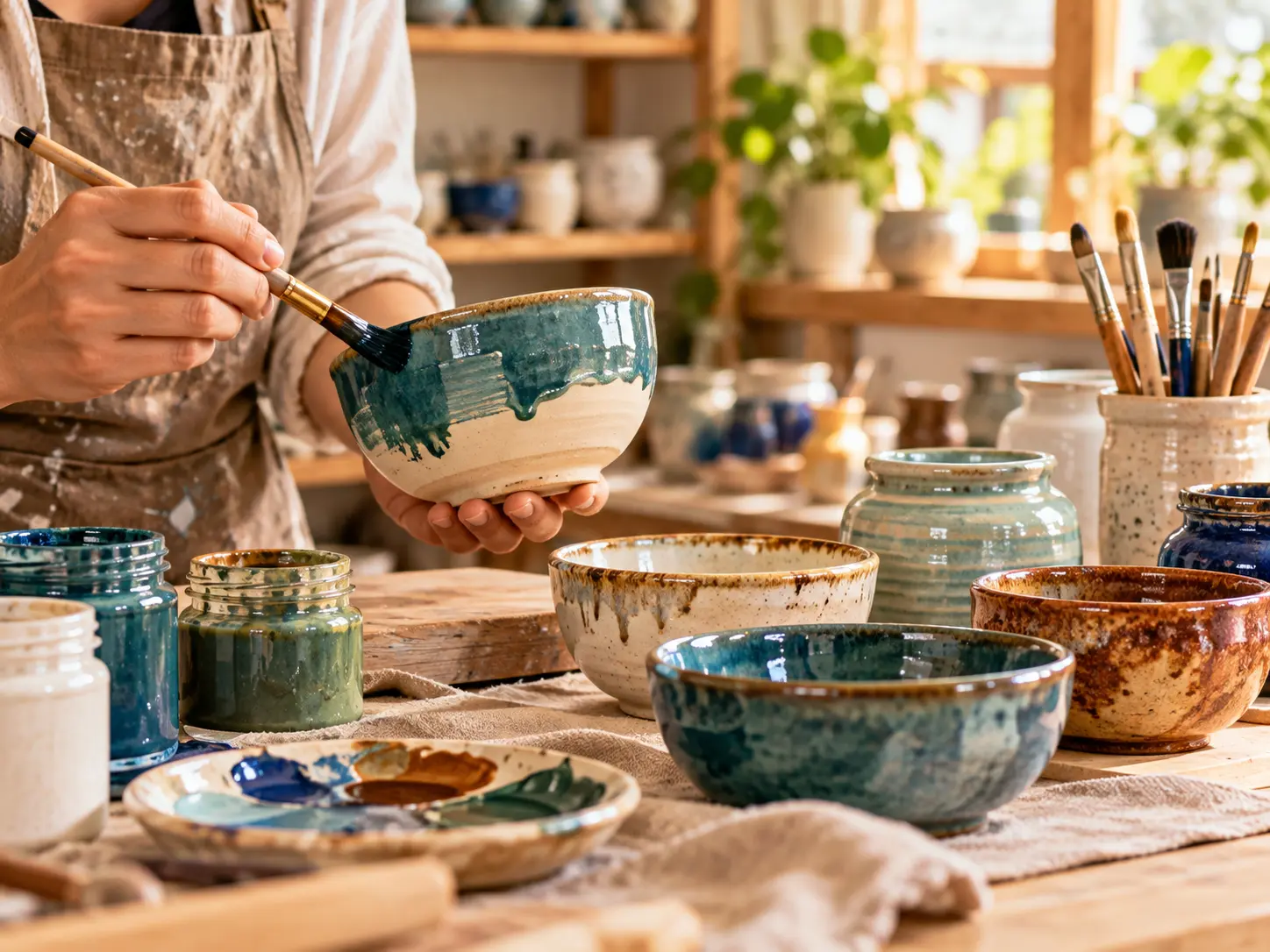
Students may use glaze, color, carving, texture, and other surface treatments to shape the final appearance of their work. For people interested in ceramic painting near Bethel, these techniques offer a more hands-on way to understand how decoration interacts with clay and firing. The experience differs from a casual walk-in format because students participate in the broader making process.
Some visitors may arrive after searching online for a paint-your-own-ceramic studio. Brookfield Craft Center is better described as a teaching-focused clay facility where decoration is connected to forming, glazing, and firing.
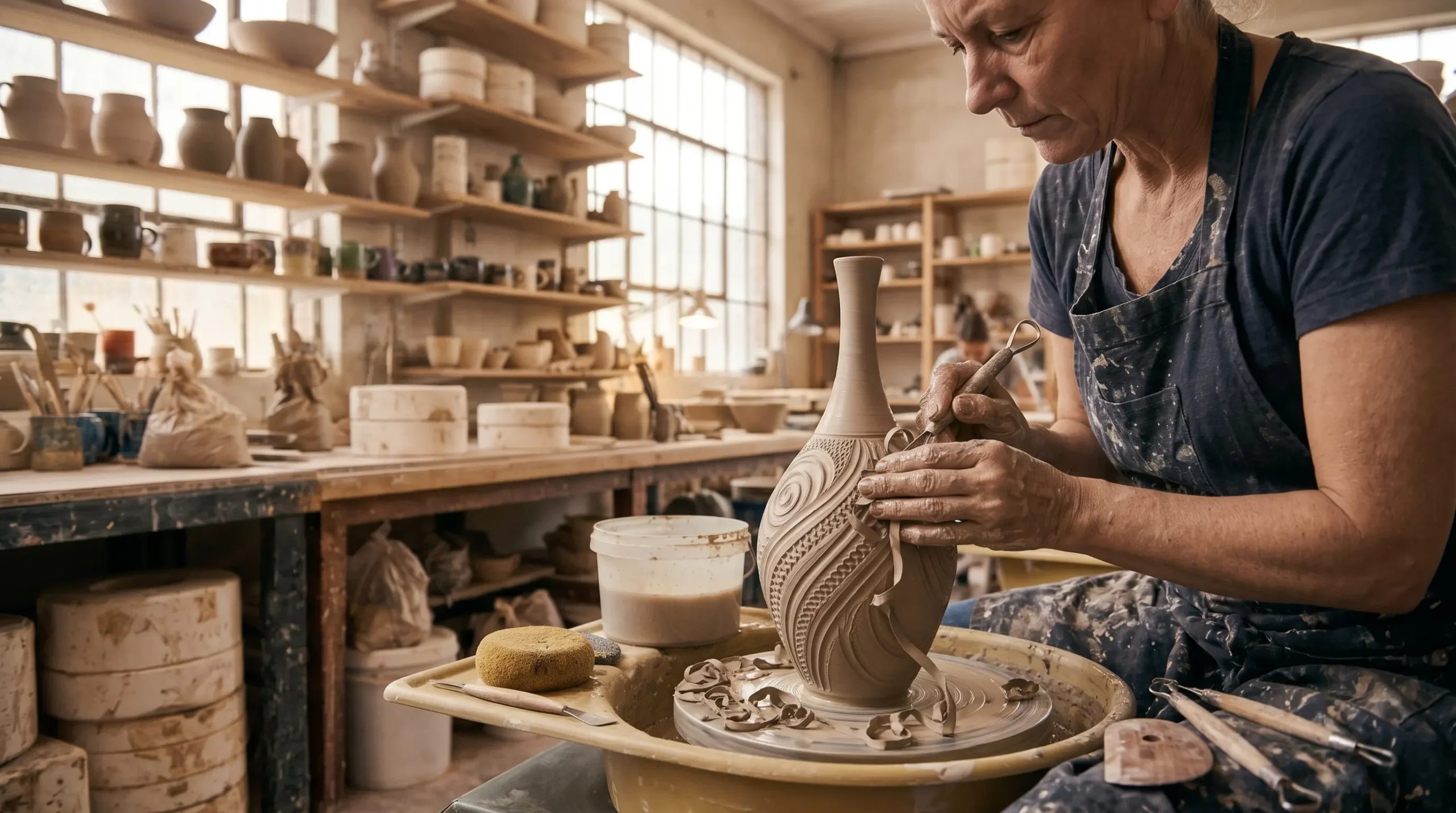
Specialty workshops may explore processes such as Raku, Nerikomi, and slipcasting. These methods introduce different approaches to firing, patterned clay, and molded forms. Availability varies by schedule, so students should review current listings before registering.
Ceramic Classes for Different Experience Levels
Instruction is most useful when it matches what a student already knows. Brookfield Craft Center offers opportunities ranging from introductory programs to ceramic courses for returning and more experienced makers. Students can choose a level that supports steady skill development without skipping essential studio practices.
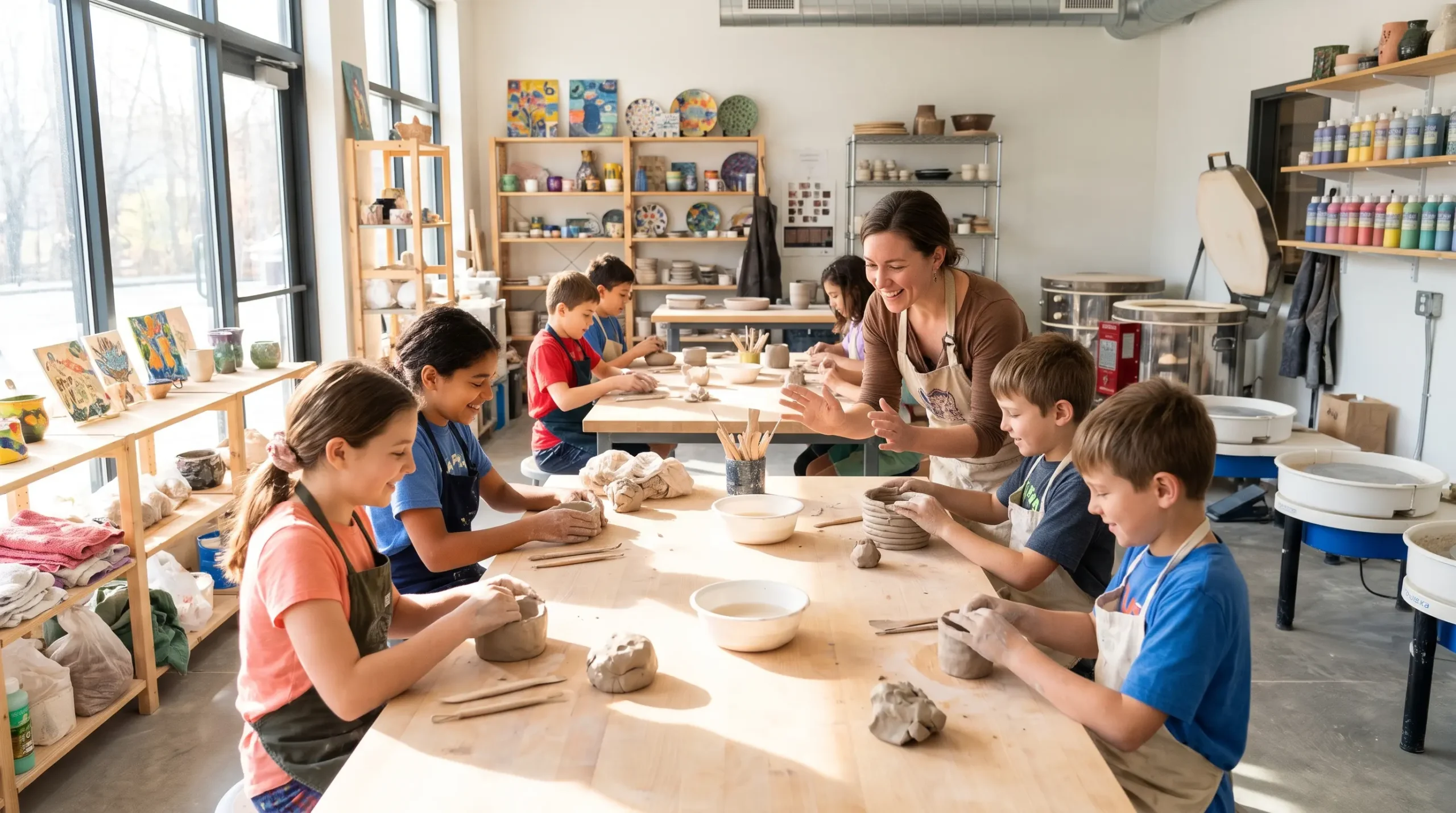
Beginner sessions may cover clay preparation, handbuilding, tool use, studio procedures, glazing, and firing preparation. Learning in a dedicated ceramic studio also allows instructors to help students correct weak joints, thin walls, or uneven drying before those issues become larger problems. Some introductory programs require no previous experience.
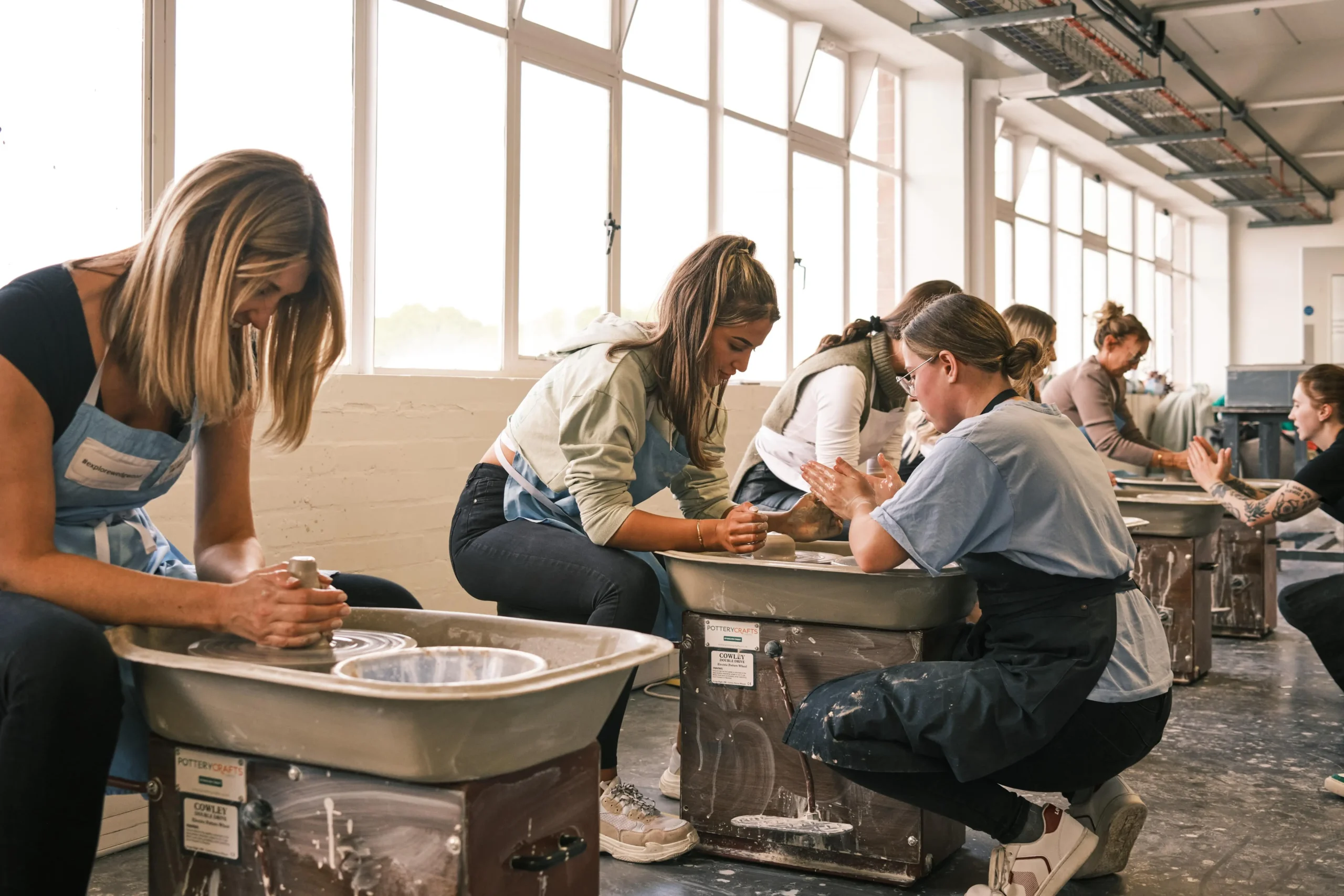
Returning students can focus on construction, consistency, surface work, and specialized techniques. More advanced ceramic classes may require prior experience, so students should review prerequisites before enrolling. This structure helps makers build on skills they have already practiced rather than starting from the beginning each time.
How the Ceramic-Making Process Works
A ceramic piece usually passes through several stages before it is finished. Understanding that sequence helps explain why ceramics require both studio time and patience.

1. Form the Clay
The process begins while the clay is soft and workable. Students may build a piece using a slab, coil, pinch, or another appropriate method. The form must be structurally sound enough to survive drying and firing.

2. Allow the Clay to Dry
Newly formed clay contains water that needs to leave the piece thoroughly before kiln firing. Uneven or rushed drying can contribute to cracks, warping, or firing problems. This is one reason ceramic work often cannot be completed and taken home during a single short session.

3. Complete the First Firing
Once the piece is fully dry, it can undergo an initial kiln firing. This first firing hardens the clay and prepares applicable work for glazing and other finishing processes.
4. Apply Glaze or Decoration
After the first firing, students may apply glaze, color, texture, or another surface treatment depending on the project. Those interested in ceramic painting can learn how decorative choices may change once heat transforms the glaze. The final appearance often depends on both application technique and firing conditions.
For someone comparing a paint-your-own-ceramic studio with a structured class, the key difference is the amount of process involved. At Brookfield Craft Center, decoration is one stage within a broader clay-making experience.

5. Fire the Finished Piece
Glazed work returns to the kiln for its final transformation. Brookfield Craft Center teaches both low-fire earthenware and high-fire stoneware processes, so materials and firing temperatures can vary by course.
Inside the Brookfield Craft Center Clay Studio
Brookfield Craft Center’s Clay Studio gives students access to dedicated work areas, tools, glaze materials, and kiln firing. The space supports low-fire and high-fire ceramics, including stoneware and porcelain. Students also benefit from instructor guidance while learning how clay type, glaze, and firing temperature affect a finished piece.
People researching ceramic places often compare access to equipment, instructor support, and the range of techniques available. Those factors can make a meaningful difference when choosing where to learn.
Ceramic Classes for Kids & Teens
Brookfield Craft Center offers youth clay programs for ages 8 and older, including after-school, homeschool, weekend, school-break, and seasonal options. Younger students may be introduced to handbuilding, studio procedures, surface decoration, and other ceramic techniques. Families should check current listings for age requirements, dates, and availability.
Continue Practicing With Clay Open Studio
Experienced students and eligible members can use Clay Open Studio for independent practice, ongoing projects, and skill development. Open studio time can be especially useful for students who have completed ceramic courses and want additional practice between formal sessions. Because eligibility and schedules may change, participants should confirm current requirements before visiting.
Taking Ceramic Classes Near Bethel
Bethel and Brookfield are neighboring towns, making Brookfield Craft Center a convenient option for local students seeking specialized clay instruction. We are located at 286 Whisconier Road in Brookfield, less than a mile from Exit 12 on Route 7. For multi-session learning, the short distance can make continued practice easier.
When comparing ceramic places in the area, students should also consider class level, schedule, materials, and access to kiln firing. Checking those details before registration can help set clear expectations.
Frequently Asked Questions
Are pottery wheel classes available at Brookfield Craft Center?
Wheel-throwing classes may be offered as part of Brookfield Craft Center’s changing ceramics schedule. Students interested in using the pottery wheel should review current course listings for available dates, skill levels, and registration requirements.
Can I focus on sculptural rather than functional ceramic work?
That depends on the class. Some ceramics courses may emphasize sculptural forms, while others focus on functional pottery, handbuilding, surface design, or specific construction techniques. Review the course description to find the best fit for your interests.
How often does the ceramic class schedule change?
Ceramics classes and workshops may be added or updated throughout the year. Check Brookfield Craft Center’s current schedule regularly for new sessions, seasonal offerings, and specialty workshops.
Is parking available when attending a ceramic class?
Students traveling from Bethel should review Brookfield Craft Center’s current directions and visitor information before attending class. This can provide the most up-to-date details about parking, arrival procedures, and campus access.
Can I take a specialty ceramic workshop without taking a full course first?
Prerequisites vary by workshop. Some specialty classes may welcome beginners, while others may require prior experience with clay, handbuilding, wheel throwing, or studio procedures. Check the individual workshop description before registering.
Explore Ceramic Classes Near Bethel
Bethel residents do not require a personal ceramic studio or home kiln setup to begin exploring clay work. At Brookfield Craft Center, students gain hands-on instruction in essential and advanced methods, including handbuilding, glazing techniques, surface ornamentation, firing, and specialized processes. Participating in active ceramic courses allows learners to cultivate practical studio skills through consistent, direct application.
If you are evaluating ceramic painting opportunities, seeking a comprehensive studio environment to master the complete pottery lifecycle, or venturing into ceramics as a new creative endeavor, checking the current class schedule is your ideal first step. Select a course tailored to your skill level and start expanding your capabilities through immersive studio practice.