Roberta Ahuja

Pottery Studio
Roberta Ahuja

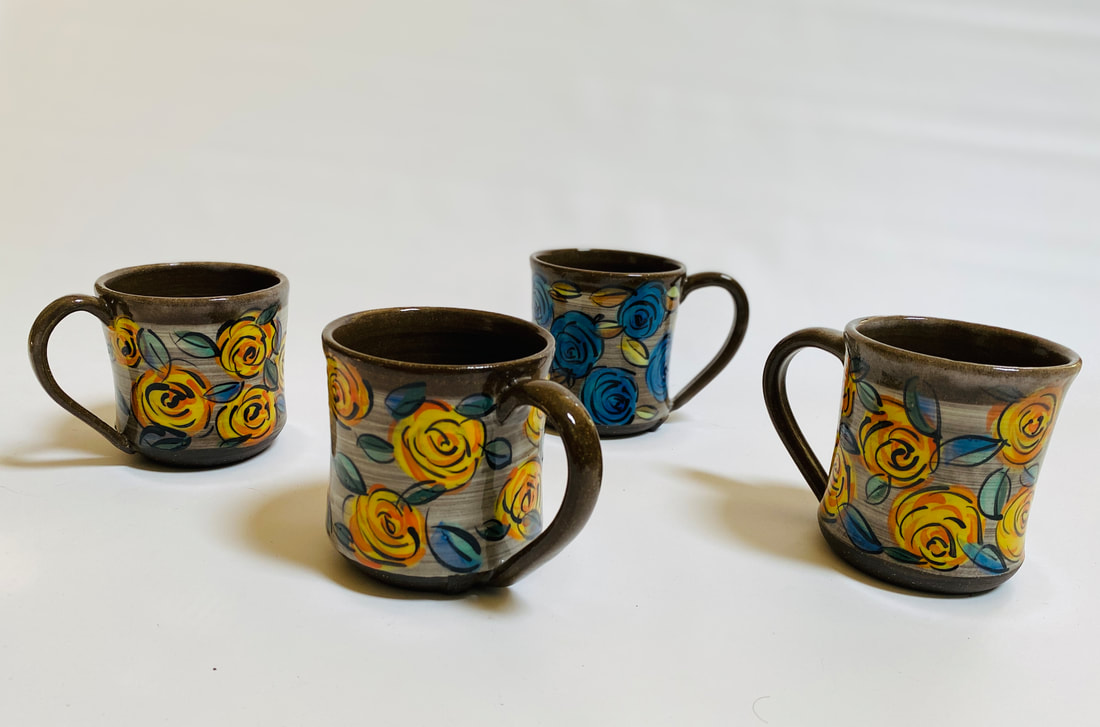
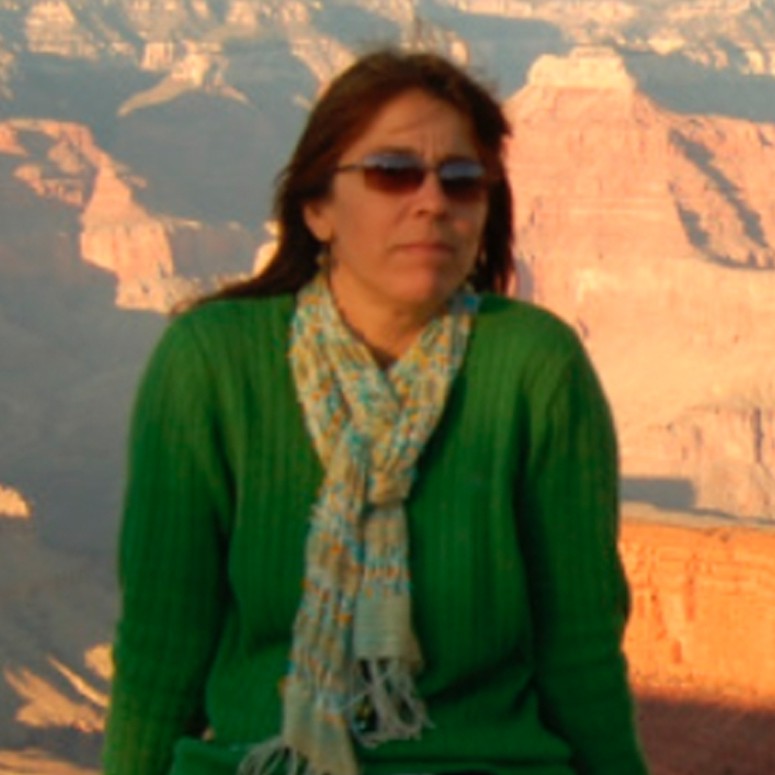
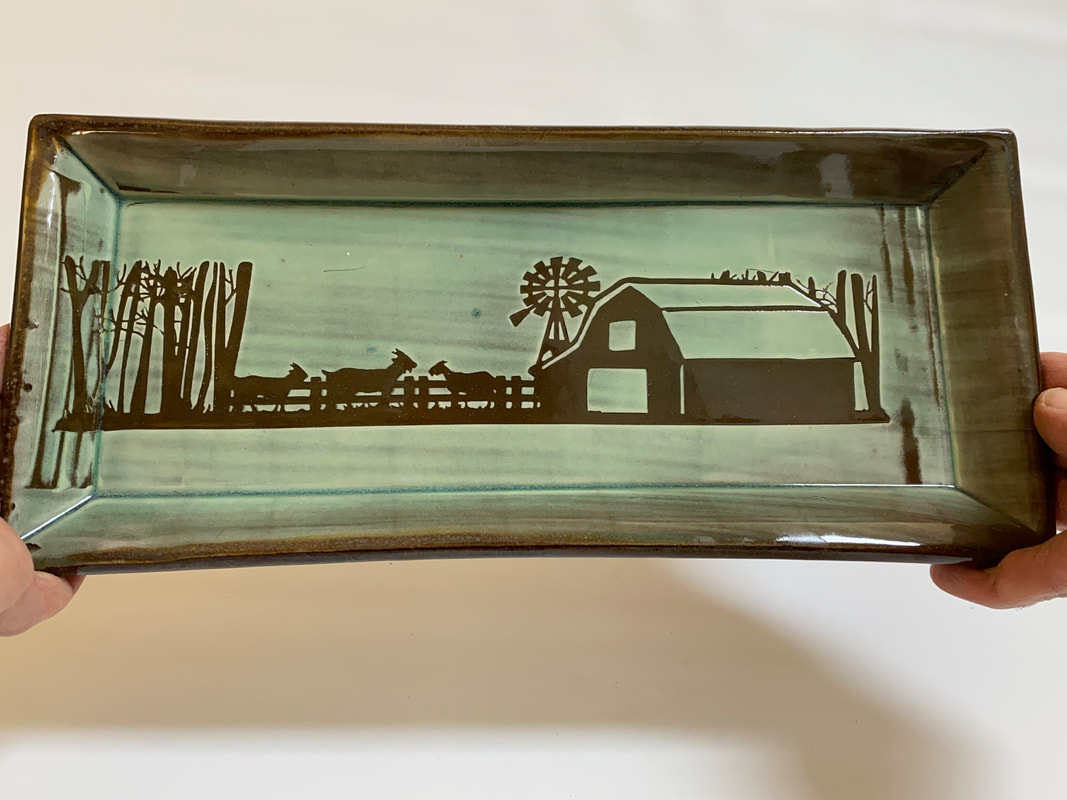
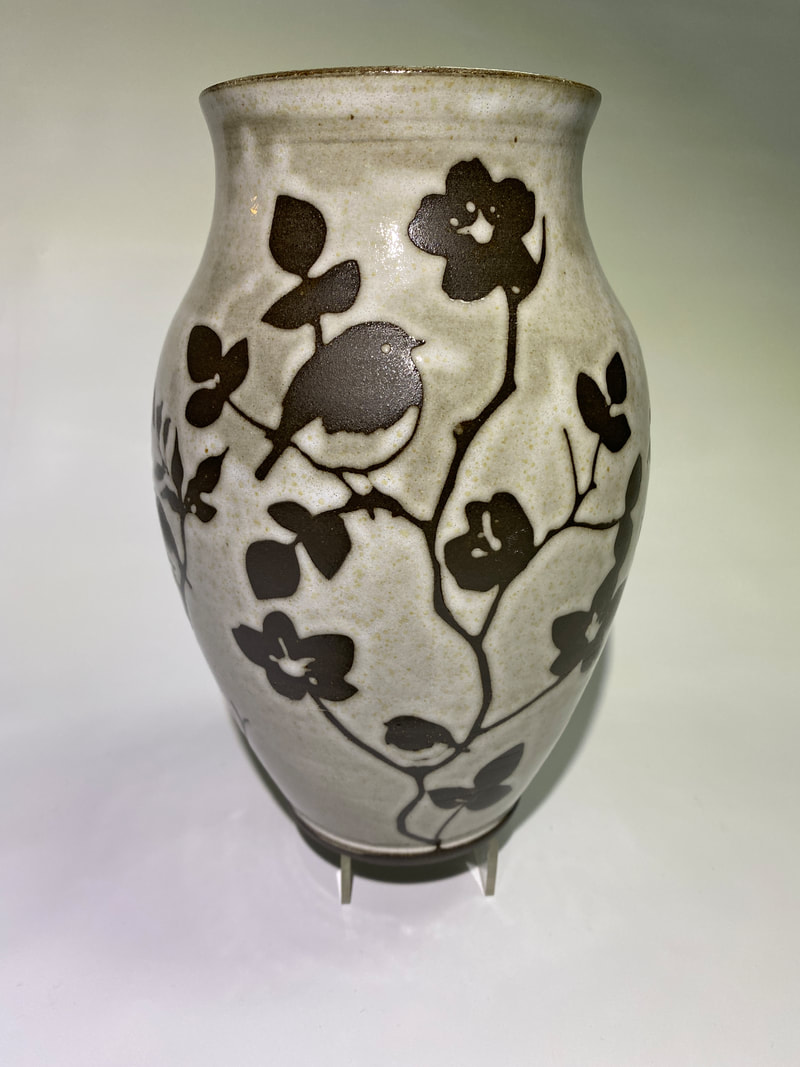
Roberta Ahuja is a ceramic artist originally from São Paulo State, Brazil, whose passion for art began in childhood. Although she initially pursued a career in Veterinary Medicine, her love of ceramics led her back to the studio after starting a family. Since relocating to Sandy Hook, Connecticut, in 2003, Roberta has dedicated herself to creating functional and decorative pottery while continually expanding her artistic practice.

In 2010, Roberta studied at La Scuola d’Arte Ceramica in Deruta, Italy, under renowned ceramic artist Romano Ranieri. She has continued her education through numerous workshops and advanced ceramic studies, exploring a wide range of techniques and styles.

Roberta is an active member of Gallery 25 in New Milford, Connecticut, where she exhibits her work and shares her passion for clay. Her ceramics reflect a love of craftsmanship, lifelong learning, and the joy of creating pieces that are both beautiful and functional.
I bought a used floor loom and taught myself from there, building on those early lessons with Christine and deepening my skills through the Handweavers’ Guild of Connecticut. Before long, a small Nashville clothing company reached out asking me to weave fabric for them, and my profession took off from there. I’m part of an active community of floor loom weavers making fabric for wearable garments like high-quality shawls, and I find deep satisfaction knowing someone out in the world is wearing something made from cloth I wove. I love the technical side of weaving — translating an image in my mind into an architectural structure of yarn — and I hold a Shaker-inspired view that beauty should serve utility, which is why I see myself more as a craftsperson than an artist.

I’ve come full circle, now teaching Rigid Heddle and Floor Loom classes back at Brookfield, and I’m continually surprised by how much satisfaction teaching brings me — especially that moment when a student’s inhibitions fall away and the process suddenly clicks. I’ve also developed my own take on a weave called deflected double weave for a scarf collection, which was gaining real momentum through the American Craft Council’s Emerging Artists program before the pandemic cut the 2020 show season short. Beyond the craft itself, I care deeply about weaving sustainably — sourcing ethical yarns, avoiding synthetics, and making pieces built to be used and to last, in keeping with a tradition of cloth-making that stretches back thousands of years.