What’s In This Guide
- Ceramic Workshops Near Me vs. Classes vs. Courses
- Why the Learning Format Affects How Much You Actually Learn
- Comparing the Formats
- How Group Size Changes the Pottery Learning Experience
- Signs You Need More Than a Single Workshop
- How to Choose Your Pottery Learning Format: A Step-by-Step Approach
- What to Expect Once You Enroll
- When Open Studio Time Makes Sense
- Frequently Asked Questions
- Ready to Choose Your Pottery Class at Brookfield Craft Center?
Choosing between a pottery class, workshop, or multi-session course comes down to your personal goals, schedule, and how deeply you want to engage with the craft. A single-session workshop is ideal if you want a quick, hands-on creative experience or a fun one-time project. On the other hand, recurring classes and structured courses provide the dedicated time and repeated practice required to build foundational skills in techniques like wheel-throwing, centering clay, and glazing.
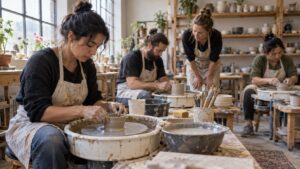
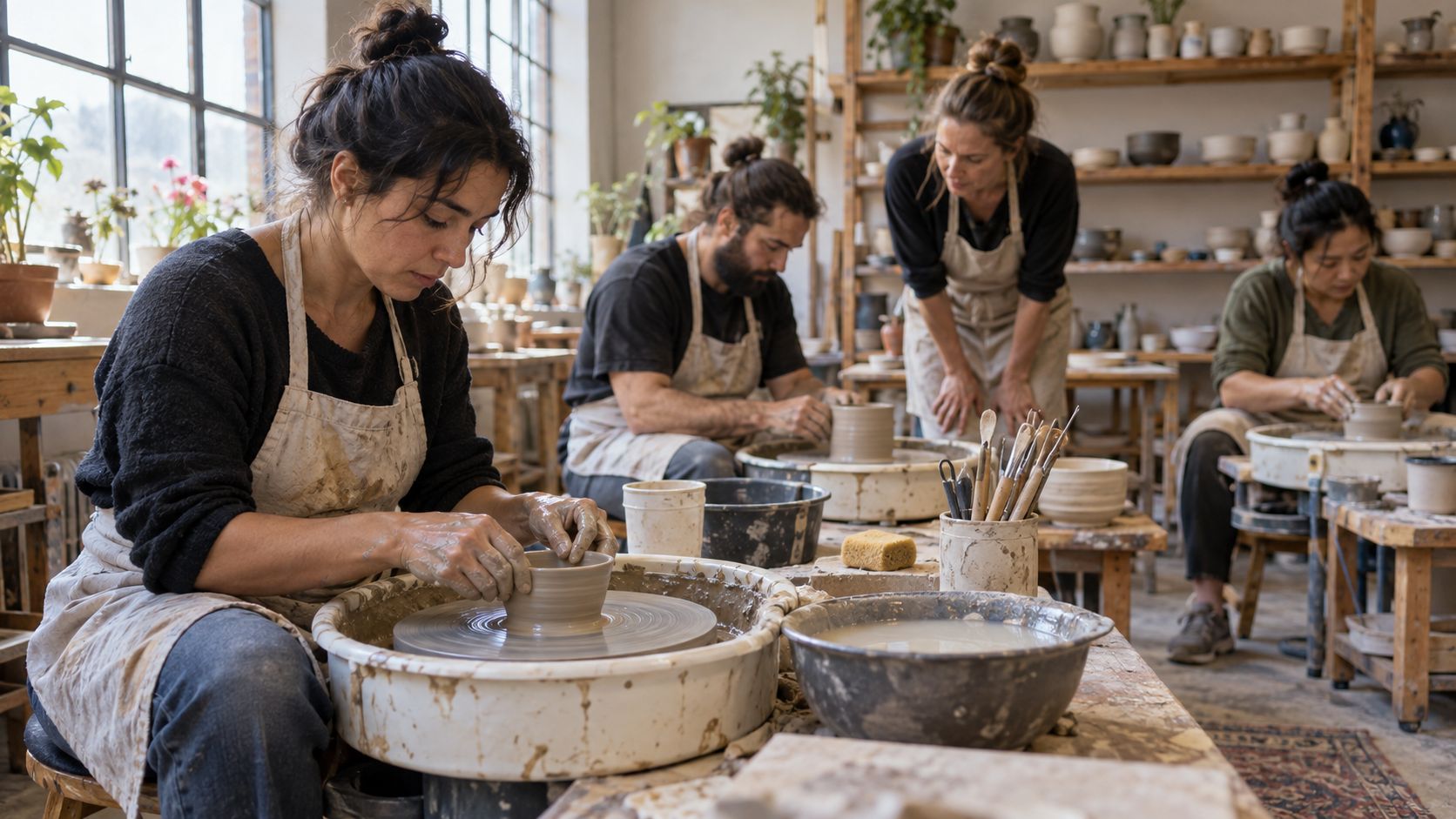
Searching for ceramic workshops near me is a great first step to explore your local options, whether you are trying pottery for the first time or looking to build long-term skills.
Quick Facts
- Single-session workshops cover one technique or project, typically without full glazing and firing built into the same visit.
- Recurring weekly classes give wheel-throwing students the repeated centering attempts that build muscle memory over several weeks.
- Multi-session courses are the format most likely to carry a piece through the full ceramic process: forming, drying, bisque firing, glazing/surface treatment, and final firing.
- Private lessons offer one-on-one pacing, useful when a specific technique (like pulling walls or trimming) needs individual troubleshooting.
- Open studio access, where eligible, extends practice beyond scheduled classes and may depend on recent class participation, membership status, demonstrated skill level, and studio-specific rules.
Ceramic Workshops Near Me vs. Classes vs. Courses
While specific definitions vary by studio, a ceramic workshop is typically structured as a single, self-contained session built around one technique or project. A class usually meets weekly across several sessions to give students repeated practice on key skills. A course often groups multiple sessions around a broader curriculum, frequently carrying a piece through multiple stages of production. The right format depends on how much repetition your goal actually requires.
That distinction matters in pottery because clay requires timing and practice to handle effectively. A student searching for a ceramic workshop nearby may be looking for a low-commitment introduction, while someone exploring pottery courses near Brookfield, CT, is often interested in building skills over a longer period.
Why the Learning Format Affects How Much You Actually Learn
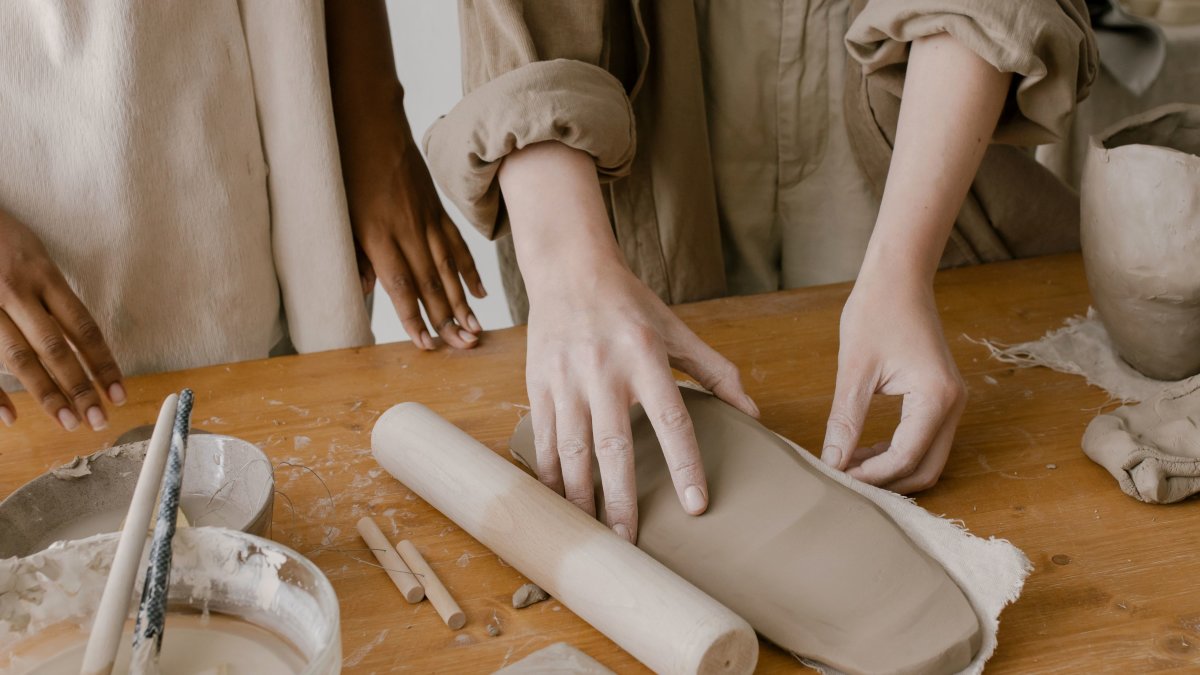
Wheel-throwing is a physical skill that benefits from repetition. Centering clay, pulling even walls, and trimming a foot ring are hands-on movements that improve through repeated attempts rather than observation alone.
Broader research on motor skill development suggests that physical learning generally follows progressive stages, with an initial burst of progress followed by slower, incremental gains that build across repeated practice sessions. In practical terms, a single afternoon at the wheel may introduce the basic movements, but consistent skill development usually benefits from sustained practice.
Hand-building techniques, including pinch, coil, and slab construction, do not require the same coordination with a spinning wheel as wheel-throwing. While a one-day workshop offers a satisfying introduction to hand-building, finishing the work still requires allowing the clay to dry before bisque firing and glazing in subsequent steps.
Comparing the Formats
|
Format |
Typical Length |
Repetition Level |
Full Process Exposure |
Best For |
|
Workshop |
Single session |
Low |
Limited; drying, glazing, and firing may occur after the session |
Trying pottery for the first time or exploring one technique |
|
Recurring class |
Multiple weekly sessions |
Moderate to high |
Often, across the series |
Building consistency in centering, pulling, or trimming |
|
Multi-session course |
Several sessions, structured arc |
High |
Usually, including glazing and firing |
Students ready to see a project through start to finish |
|
Private lesson |
Flexible, one-on-one |
Focused on specific skill gaps |
Depends on scope |
Troubleshooting a technique or working around a schedule |
How Group Size Changes the Pottery Learning Experience
The number of students in a pottery session can matter almost as much as the format itself. Clay techniques are highly visual and hands-on, so beginners often benefit from seeing an instructor demonstrate a movement and then getting feedback while they try it themselves.
Larger Workshops Offer More Social Energy
One-time workshops often work well for people who want a relaxed, creative experience with friends, family, or other beginners. Attending pottery workshops nearby provides a supportive environment, though individual troubleshooting may be more limited than in a smaller class.
Recurring Classes Allow More Ongoing Feedback
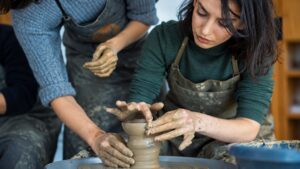
In a multi-week class, instructors can watch how a student’s technique develops from session to session. That continuity makes it easier to identify recurring issues with centering, wall thickness, trimming, or other foundational skills rather than addressing each attempt in isolation.
Pottery Lessons Near Brookfield, CT, Provide Focused Attention
One-on-one instruction is useful when a student wants focused help with a particular technique or has reached a point where general demonstrations are no longer solving the problem. Because the pacing follows one student, more session time can be spent diagnosing specific movements and making adjustments in real time.
Signs You Need More Than a Single Workshop
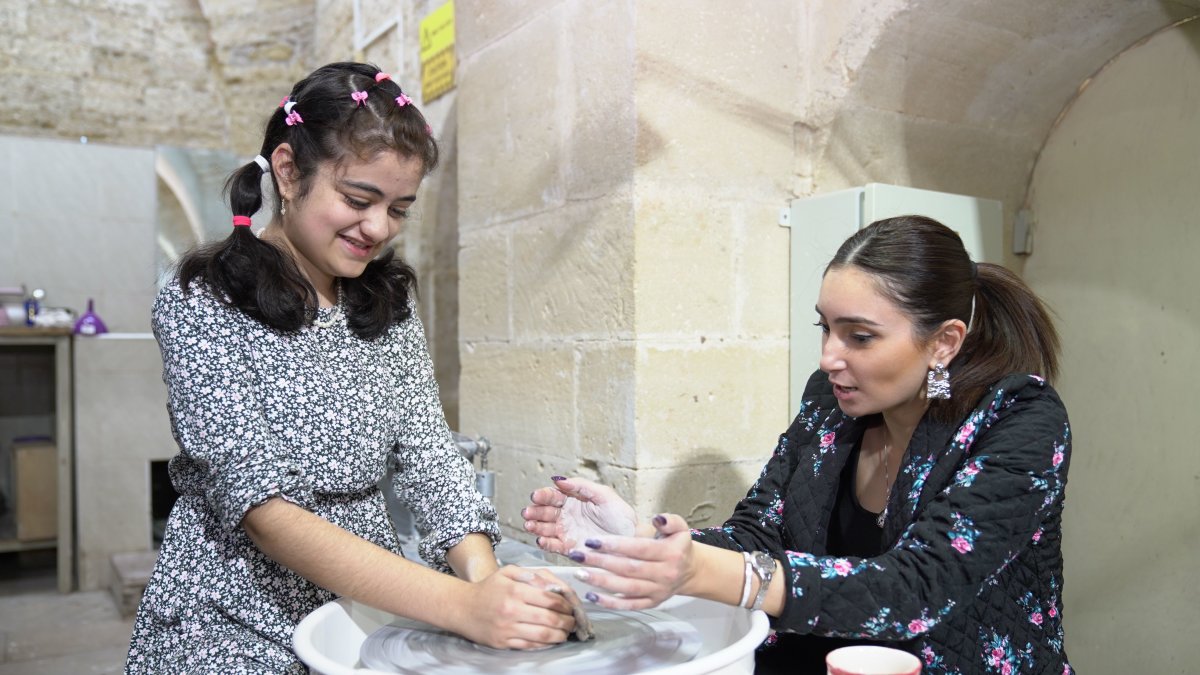
A one-time workshop is a strong starting point, but a few signals suggest a recurring class or multi-session course is a better fit:
- You want to center clay consistently instead of getting lucky occasionally.
- Your goal is a set of functional pieces rather than one object.
- You are interested in glazing and surface decoration, which often happen in a separate session after a piece has dried and been bisque-fired.
- You want feedback on the same piece across multiple stages, not just a single sitting.
- You are considering open studio access later and want the foundational reps a class provides first.
If none of those apply and you mainly want to see what working with clay feels like, a workshop is a reasonable, lower-commitment way to find out.
How to Choose Your Pottery Learning Format: A Step-by-Step Approach
Step 1: Define What You Want to Walk Away With
A finished piece involves a very different path than simply getting a feel for the wheel. Clarify your ultimate goal before browsing course listings, whether you want to take home completed pieces or gain a general understanding of how clay moves under your hands.
Step 2: Match the Technique to the Format
Different ceramic techniques require varying levels of time and muscle memory. Wheel-throwing relies on repeated physical practice across multiple sessions, whereas hand-building techniques like pinch, coil, or slab construction can yield a satisfying single-session project. Glazing and finishing often require a dedicated follow-up session after the initial piece has completely dried and undergone its first firing.
Step 3: Check the Time Commitment Against Your Schedule
Recurring multi-week classes demand a consistent weekly time slot. If your personal schedule fluctuates frequently, standalone workshops or targeted private lessons offer greater flexibility without long-term calendar commitments.
Step 4: Review the Listed Experience Level
Course descriptions outline prerequisite skills. While intro classes welcome total beginners, intermediate options assume existing comfort with foundational steps like centering clay, managing wall thickness, or trimming feet properly.
Step 5: Confirm What the Format Actually Includes
Offerings differ significantly between studios. Certain short workshops end right after wet shaping, leaving firing or glazing to studio staff, whereas longer courses guide you through drying, bisque firing, surface decoration, and final firing steps. Always read individual course details carefully so you know exactly what is included in your enrollment.
What to Expect Once You Enroll
Clay work involves a few practical realities that apply across formats. Pieces need to dry before firing, and glazing typically happens after an initial bisque fire, not on the same day a piece is formed. A single workshop may not carry a project through every stage.
Studio environments also involve dry clay and ceramic materials that can contain crystalline silica. When dust from silica-containing materials becomes airborne, some particles may be small enough to be respirable. The Occupational Safety and Health Administration’s general industry standard requires covered employers to assess and control occupational exposure to respirable crystalline silica using engineering and work-practice controls where feasible. Students should follow the studio’s cleanup, material-handling, and other safety procedures to minimize unnecessary dust exposure.
Beyond that, expect guidance on:
- Recommended clothing since clay is messy, and glaze materials can stain fabric)
- Tools provided versus tools you may need to bring
- Studio procedures for shared equipment like wheels and kilns
- How and when finished, fired pieces are available to collect
Details differ by course, so the individual class listing remains the most accurate source before you register.
When Open Studio Time Makes Sense
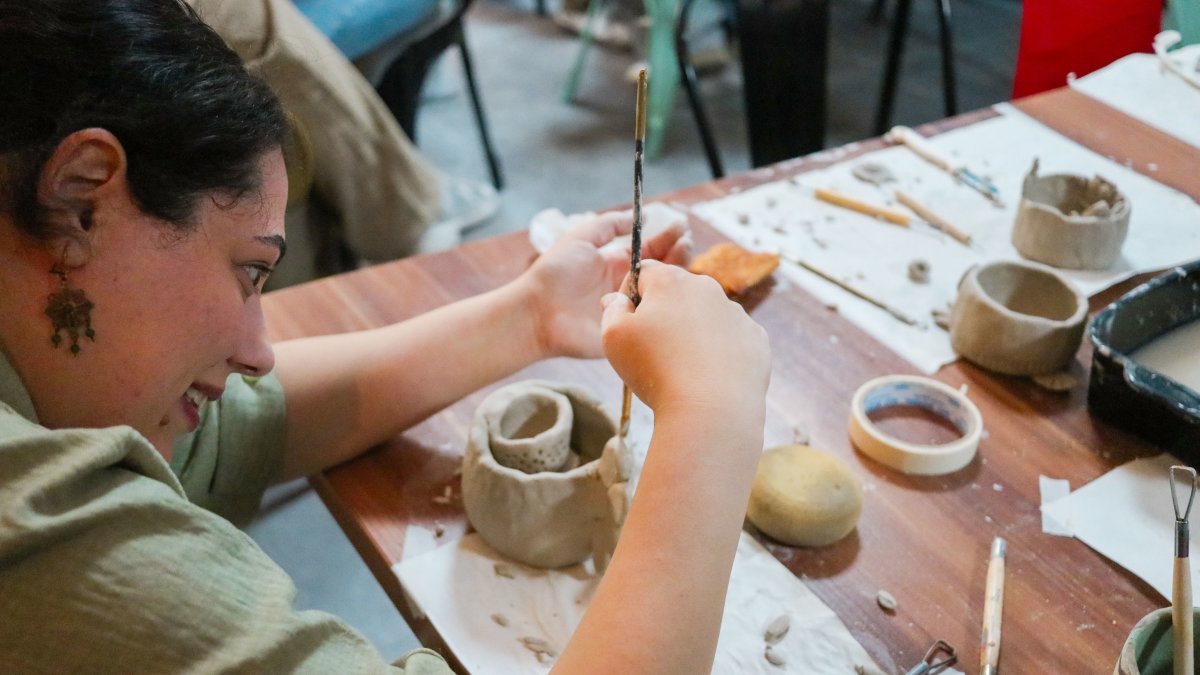
Once a student has built foundational wheel or hand-building skills, independent practice time can help reinforce what was covered in a class or course. Open studio access, where offered, gives eligible students and members room to keep working without step-by-step instruction.
Eligibility for open studio generally requires recent participation in a Clay Studio class or a current membership with demonstrated foundational skills, subject to confirmation by the studio monitor. Access can vary by discipline and studio, so it is worth confirming current open studio details before planning a visit.
Frequently Asked Questions
Are private pottery lessons available?
Private instruction may be available for students who want individualized pacing, help with a specific technique, or a schedule that does not fit a group class. Availability can change, so check current studio listings or contact the studio before planning around a private lesson.
Do I need artistic experience before taking a pottery class?
Not necessarily. Beginner pottery classes are generally designed to introduce the basic tools, clay-handling techniques, and studio procedures from the ground up. The important step is choosing an offering labeled for beginners rather than enrolling in an intermediate session with prerequisites.
Is pottery physically demanding?
Pottery involves repetitive hand and arm movements, prolonged sitting or standing, and, for wheel throwing, maintaining a stable posture while working against the clay. Students with mobility or comfort concerns should review the class setup and speak with the studio about available accommodations before registering.
Can left-handed students learn wheel throwing?
Yes. Left-handed students can learn the same wheel-throwing fundamentals as right-handed students. Instructors can adjust demonstrations, wheel direction where equipment allows, and hand positioning to help students find a comfortable technique.
What happens if a pottery piece cracks or breaks during firing?
Cracking, warping, and other firing issues can happen because clay changes as it dries and is heated in the kiln. Part of learning ceramics is understanding how wall thickness, moisture, construction, drying, and glazing affect whether a finished piece survives the full process.
Ready to Choose Your Pottery Class at Brookfield Craft Center?
Brookfield Craft Center’s Clay Studio offers pottery instruction across single workshops, recurring classes, and multi-session courses, led by working artists and experienced teachers on our historic campus along the Still River, six miles north of Danbury.
If you are ready to try centering clay for the first time, or you want the repetition it takes to make it consistent, review the current Clay Studio listings to find the format that matches your goal.
Related Posts
- What Is Art Blacksmithing? Where Function, Craft, and Creative Expression Meet
- Blacksmithing vs. Bladesmithing: Which Beginner Class Should You Choose?
- Blacksmithing vs. Metalworking Classes: Which Craft Fits Your Goals?