What’s In This Guide
- What “Metalworking” Actually Covers
- Where Blacksmithing Fits Inside That Category
- How Blacksmithing Compares to Other Metalworking Paths
- Skills You’ll Build in Many Metalworking Classes
- How to Choose the Right Class for Your Goals
- What to Expect in a Metal Forging Class
- Safety Comes First in Forge and Metal Work
- Questions to Ask Before Registering for Any Metalworking Class
- Frequently Asked Questions
- Find Your Fit at Brookfield Craft Center
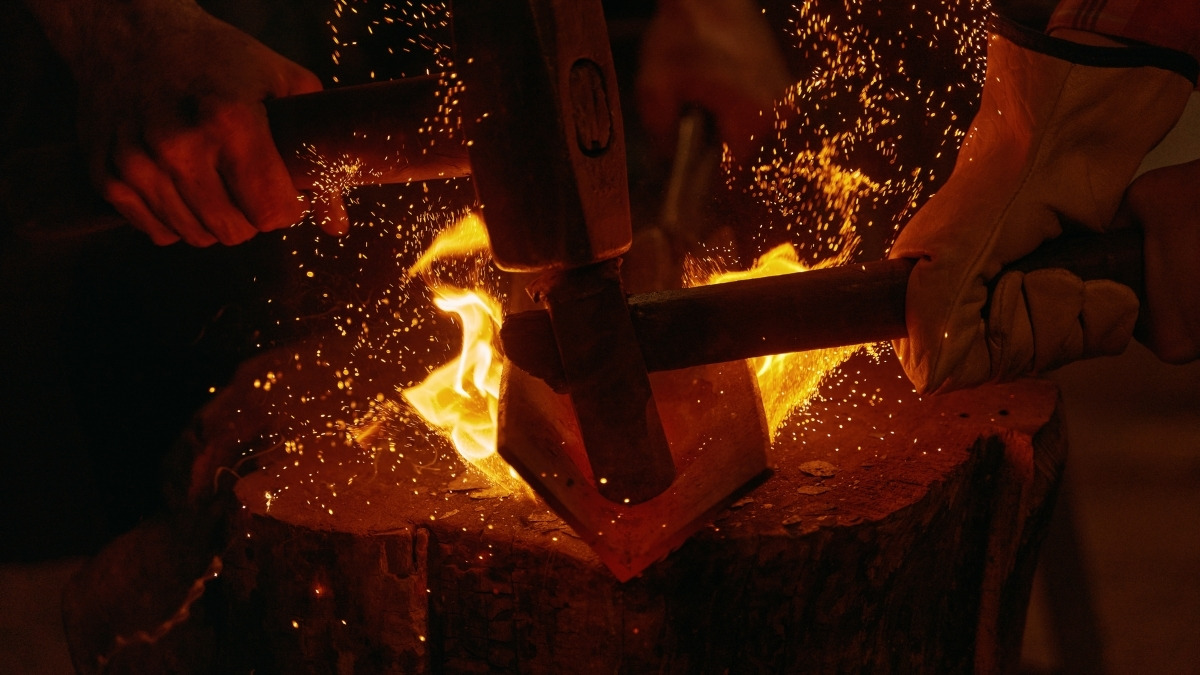
When people look for metalworking classes near them, they are not always picturing the same thing. Some imagine a hammer ringing against an anvil. Others picture a welding torch or a jeweler’s bench full of small tools.
Metalworking is the broad category that includes all of these crafts, while blacksmithing is a specific discipline centered on shaping heated metal through forging. Understanding that distinction makes it easier to choose a class that matches what you want to make and how you want to make it.
Quick Facts
- Metalworking is the umbrella term; blacksmithing is one forge-based branch within it.
- Blacksmithing shapes heated metal with a hammer and anvil; welding joins separate pieces; casting pours molten metal into molds; and cold-forming shapes metal without first heating it to forging temperature.
- Choose a class by starting with the object you want to make, not just the word “metal.”
- Forge-based classes should introduce essential safety practices from the first session, including eye protection, appropriate clothing, controlled tool handling, and awareness of hot-metal hazards.
- Course details, prerequisites, and schedules change, so confirm the current listing before registering.
What “Metalworking” Actually Covers
Metalworking describes any process that shapes, joins, casts, or finishes metal, and it covers several distinct disciplines. Forging, casting, welding, cold-forming, and small-scale metalsmithing all fall under that broad category, which is why searches for local metalworking classes can return such different results.
Where Blacksmithing Fits Inside That Category
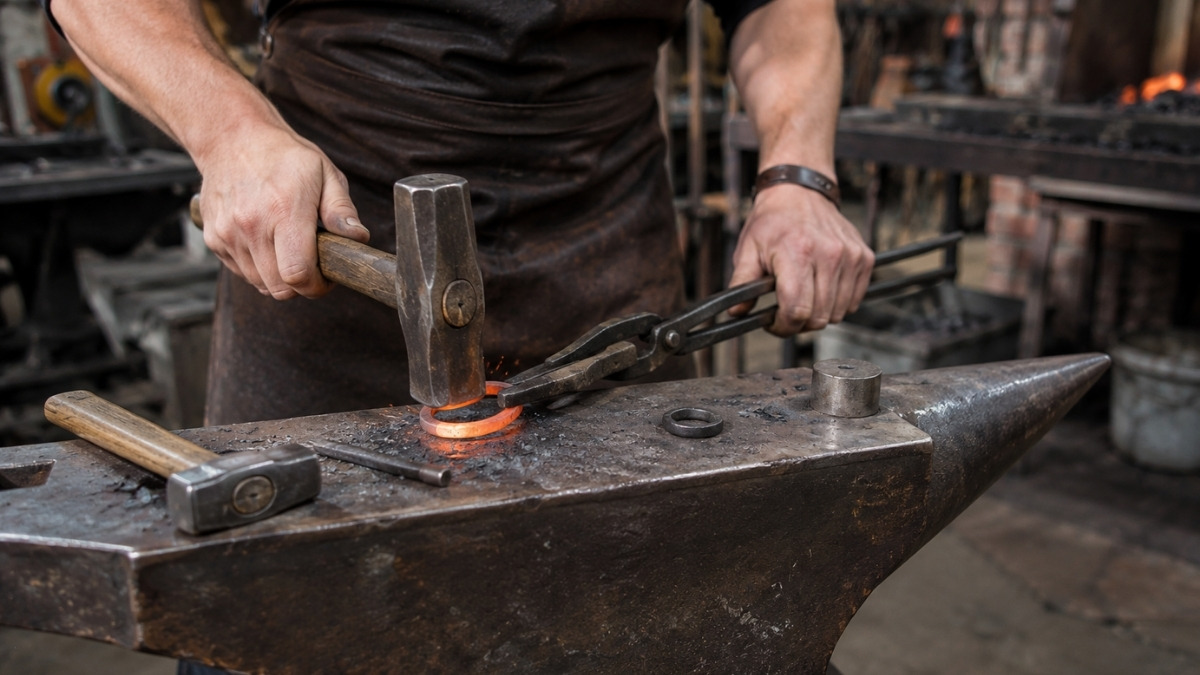
Blacksmithing is a forge-based discipline in which a craftsperson shapes iron or steel using tools such as hammers, anvils, and tongs. The metal is usually worked while hot, although certain finishing and forming operations may also be performed cold.
A forge provides the controlled heat needed to bring metal to a workable temperature. Forges may use coal, propane, natural gas, or other fuel sources, and the practice of heating and shaping metal predates modern industry by centuries.
If you are interested in making hooks, hardware, blades, or decorative ironwork through traditional forging techniques, a metal forging class may be an appropriate starting point.
How Blacksmithing Compares to Other Metalworking Paths
|
Process |
What Happens to the Metal |
Typical Tools |
Common Projects |
|
Blacksmithing/forging |
Heated, then hammered into shape |
Forge, anvil, hammer, tongs |
Hooks, hardware, blades, ironwork |
|
Welding |
Pieces joined with heat from an arc, flame, or current |
Welding machine, torch, helmet |
Furniture frames, structural repairs |
|
Casting |
Fully melted, then poured into a mold |
Furnace, crucible, molds |
Sculptural pieces, reproductions |
|
Jewelry Metalsmithing |
Cut, filed, formed, and soldered at a small scale |
Saw, files, small torch |
Rings, pendants, decorative objects |
|
Cold-forming |
Bent, pressed, or rolled without heating to forging temperature |
Press, rollers, hand tools |
Sheet metal parts, wirework |
These categories overlap more than many people expect. A blacksmith may weld two forged pieces together, while a metalsmith may use a small torch for soldering, annealing, or other heat-based processes. The equipment and scale differ, but both disciplines may combine several techniques within one project.
A simple distinction is that forging primarily reshapes metal through controlled hammering or pressing, while welding creates a joint between separate pieces of metal.
Skills You’ll Build in Many Metalworking Classes
Measuring and Marking Accurately
Precision is a fundamental skill across nearly every metalworking discipline. Before cutting, forging, welding, or shaping begins, you’ll learn how to measure carefully, mark reference lines, and plan each step of the project. Developing these habits early helps improve accuracy and reduces mistakes, regardless of the type of work you pursue.
Safe Tool Handling
Whether you’re using a forge, welding equipment, hand files, or bench tools, proper tool handling is essential. Beginners learn safe operating procedures, correct body positioning, and how to work efficiently around heat, sharp edges, and moving equipment. These safety habits form the foundation of responsible craftsmanship.
Reading Metal as You Work
Metal changes as it is heated, shaped, cut, or joined. As you gain experience, you’ll begin to recognize visual and physical cues that indicate when a piece should be adjusted, reheated, or reshaped. Learning to observe how the material responds is a skill taught in many local smithing classes and other introductory metalworking courses.
Building Confidence Through Repetition
Repeating fundamental skills such as hammer control, measuring, forming, cutting, and finishing helps improve consistency and confidence over time. These skills provide a strong foundation whether you continue with blacksmithing, welding, metalsmithing, or another area of metalworking.
How to Choose the Right Class for Your Goals
Start With the Project You Want to Make
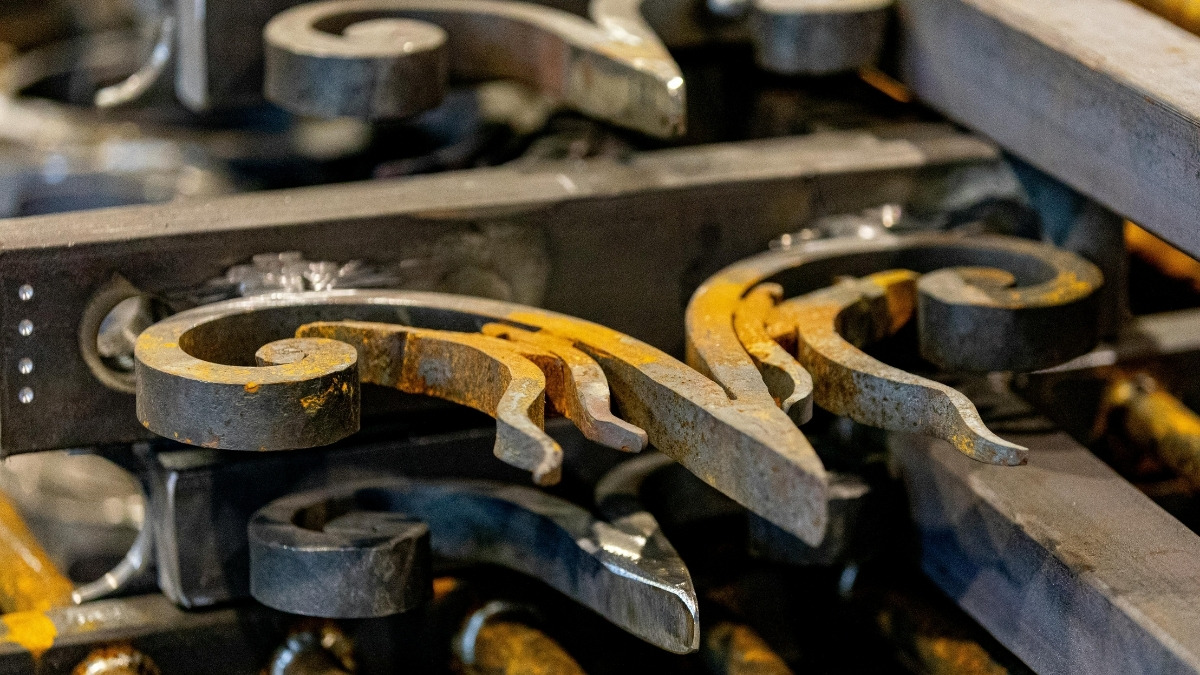
Choose a course based on what you want to create rather than on the material alone. A forged hook, welded table frame, cast sculpture, and handcrafted ring each require different tools and techniques. Defining the intended project first makes it easier to select the appropriate discipline and level of instruction.
Match the Class to the Scale of Your Work
The size of your project can help guide your decision. Welding classes may focus on larger structural or fabricated pieces, while metalsmithing courses often emphasize smaller, more detailed items such as jewelry. Blacksmithing can involve projects of many sizes, from small hooks and leaves to larger decorative or functional pieces. Selecting a class that matches the scale of your intended project creates a more relevant learning experience.
Consider Whether You Prefer Hot-Working or Cold-Working Techniques
Some metalworking methods rely on high heat, while others shape metal at or near room temperature through cutting, bending, pressing, rolling, or hammering. Understanding how hot-working and cold-working processes differ can help you choose a class that fits your interests and comfort level.
Read the Course Description Carefully
Classes with similar titles may cover very different skills. Review the course description for prerequisites, experience level, projects, and whether tools and materials are included. A few minutes of research can help ensure the class meets your expectations.
Confirm the Safety Training and Shop Policies
Any class involving forges, torches, welders, or power tools should begin with a safety orientation. It’s also worth confirming what protective equipment is required, whether it is provided, and what shop rules you’ll be expected to follow.
What to Expect in a Metal Forging Class
Learn the Fundamentals Before You Start Forging
Most beginner classes start with a safety orientation and an introduction to the forge, anvil, hammer, tongs, and other essential tools. Instructors typically explain how each tool is used, demonstrate proper body positioning, and review shop procedures before any metal is heated.
Practice Core Forging Techniques
After the introduction, you will usually practice the techniques that form the basis of blacksmithing. Common exercises include drawing out, tapering, bending, twisting, upsetting, and flattening steel. Instructors typically emphasize accuracy, hammer control, and awareness of how heated metal responds rather than speed.
Complete a Beginner-Friendly Project
Many introductory classes include a simple project that students can take home after the session. Depending on the course, you might forge a hook, bottle opener, fire poker, leaf, or decorative wall piece. The project is usually selected to reinforce foundational techniques rather than to produce a highly complex finished object.
Receive Individual Feedback Throughout the Session
Forging is a hands-on skill, so instructors typically provide ongoing guidance throughout the session. They may demonstrate techniques, correct a student’s hammer angle, suggest adjustments, or explain why the metal is responding in a particular way. This immediate feedback helps beginners develop sound habits from the start.
Safety Comes First in Forge and Metal Work
Working around an open forge, hot metal, and striking tools carries real risks without proper guidance. The Occupational Safety and Health Administration (OSHA) publishes standards addressing hazards associated with hand and power tools.
A reputable studio builds instruction around core safety fundamentals, including eye protection, appropriate clothing and footwear, correct tool handling, and close supervision for beginners. Requirements for gloves and other protective equipment may vary by task, since loose or inappropriate gloves can create additional hazards around certain tools.
A quality class should explain its safety procedures clearly before students begin working.
Questions to Ask Before Registering for Any Metalworking Class
Is the Class Designed for Beginners?
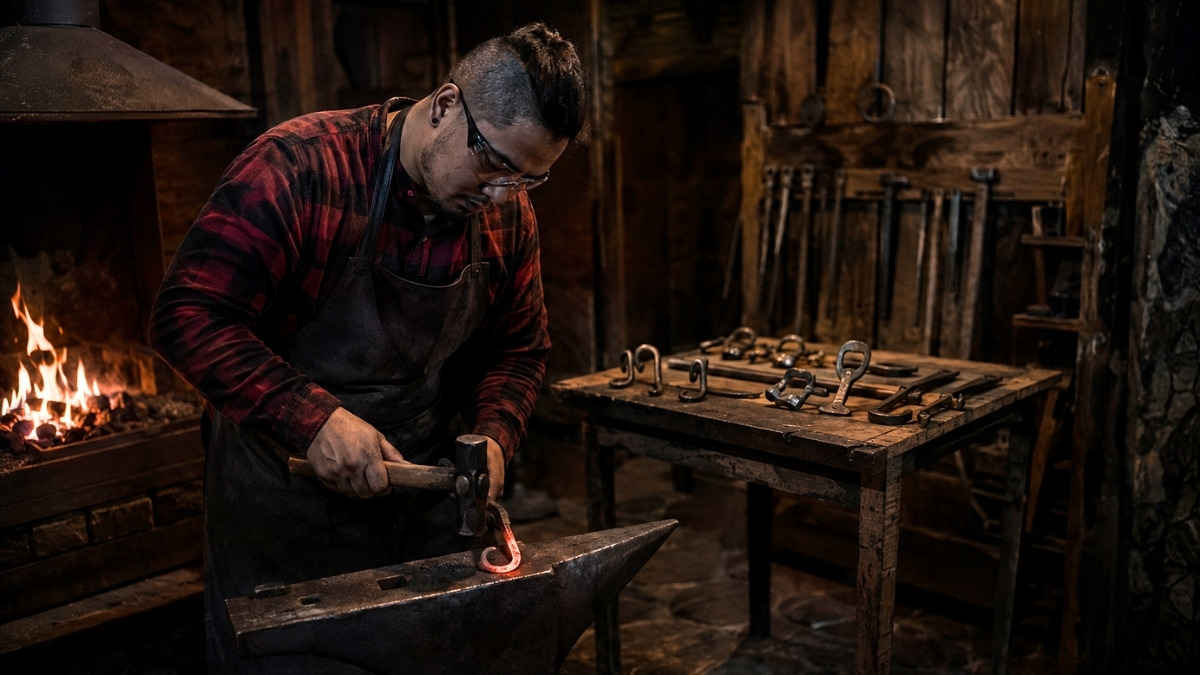
Not every class is intended for first-time students. Before registering, confirm whether the course welcomes beginners or expects prior experience with forging, welding, casting, or other metalworking techniques. If you’re comparing smithing classes near you, checking the recommended skill level can help you choose a course that matches your experience.
What Materials and Safety Equipment Are Included?
Some classes cover materials, tool use, and required protective equipment in the registration fee, while others require students to purchase supplies or bring specific safety gear. Reviewing these requirements beforehand can help you avoid unexpected costs and arrive prepared.
How Much Hands-On Practice Will I Receive?
Demonstrations are valuable, but practical experience is what develops your skills. Look for classes that provide plenty of time at the forge, workbench, or welding station, along with opportunities to practice techniques under an instructor’s supervision.
Will I Complete a Project to Take Home?
Many beginner courses include a finished project that lets students apply the techniques they’ve learned. Reviewing the project description can also help you determine whether the class focuses on decorative work, functional items, jewelry, or fabrication.
What Should I Wear to Class?
Many metalworking classes require long pants, closed-toe shoes or boots, and clothing made from natural fibers, since synthetic materials can melt when exposed to heat or sparks. The course description should outline the specific clothing requirements and state whether personal protective equipment is provided.
Frequently Asked Questions
Is blacksmithing the same as welding?
No. Blacksmithing shapes metal using heat and hammering on an anvil, while welding joins separate pieces using heat from an arc, flame, or current. Some projects use both.
Do I need experience to take a metal forging class?
Not always. Many beginner sessions introduce the forge, hammer, and anvil from the beginning, while intermediate or advanced sessions may require prior hands-on experience. Check the course prerequisites and recommended skill level before registering.
What is the difference between blacksmithing and metalsmithing?
Blacksmithing traditionally focuses on forging iron and steel with a forge, anvil, and hammer. Metalsmithing is a broader term that can include working with precious or non-ferrous metals through techniques such as cutting, forming, soldering, casting, and finishing, often on a smaller scale.
Can beginners take local smithing classes without prior tool experience?
Yes. Many local smithing classes are designed for first-time students and introduce the tools, techniques, and safety procedures from the beginning. Review the course description to confirm the recommended skill level, prerequisites, and required preparation.
How long does it take to learn basic blacksmithing skills?
Most beginners can learn foundational techniques, such as tapering, bending, and hammer control, in an introductory class or weekend workshop. Developing consistency and completing more complex projects requires continued practice and more advanced instruction.
Find Your Fit at Brookfield Craft Center
Brookfield Craft Center’s metal arts program includes forge work and blacksmithing fundamentals on its historic campus in Brookfield, Connecticut. If shaping hot metal by hand sounds like the right fit, explore the current class listings to see what’s scheduled next.